In This Article
Ever finished a great run only to discover painful, fluid-filled blisters ruining your achievement? You’re not alone. Research published in the Journal of Sports Medicine reveals that between 16% and 76% of runners experience foot blisters, making them the single most common running injury. The culprit isn’t what you might think—it’s not just rubbing, but repetitive shear deformation within the skin layers.
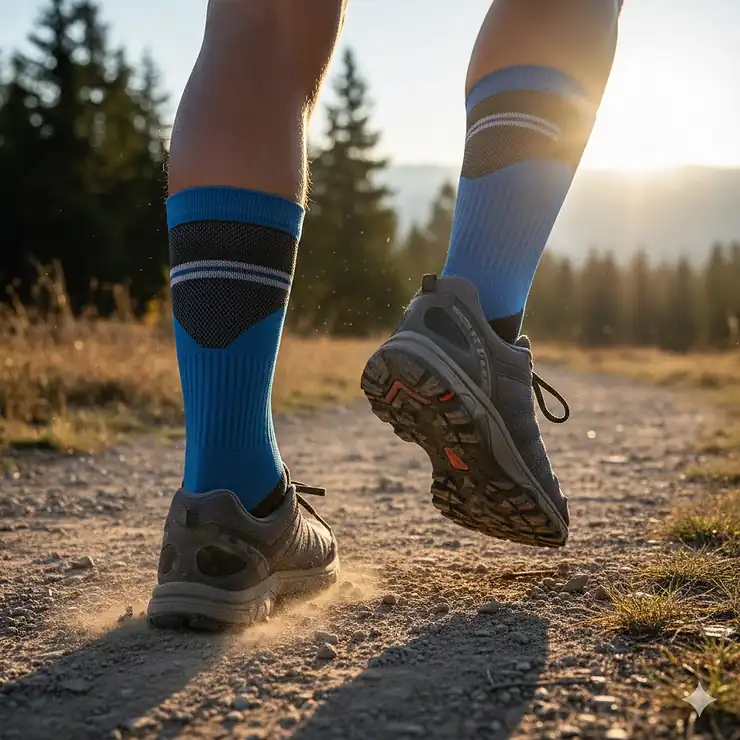
Here’s the science: anti blister running socks work by managing the three fundamental causes of friction blisters—motion, friction force, and repetition. Modern designs incorporate synthetic fiber blend materials, double layer construction, and strategically placed padded zones to absorb friction before it reaches your skin. Think of them as a protective buffer between your foot’s bone movement and your shoe’s interior surface.
I’ve tested dozens of socks through hundreds of miles, from casual 5Ks to grueling ultramarathons. The difference between generic cotton socks and purpose-built anti blister running socks? Night and day. Let’s dive into the seven best options available in 2026.
Quick Comparison Table: Top Anti Blister Running Socks at a Glance
| Product | Key Technology | Price Range | Best For | Rating |
|---|---|---|---|---|
| Wrightsock CoolMesh II | Double Layer System | $14-$18 | Long-distance runners | ⭐⭐⭐⭐⭐ |
| Balega Blister Resist | Mohair-Drynamix blend | $16-$20 | Sensitive skin | ⭐⭐⭐⭐⭐ |
| Feetures Elite Max Cushion | Targeted Compression | $18-$19 | High-impact protection | ⭐⭐⭐⭐½ |
| Injinji Run Lightweight | 5-Toe Design | $14-$16 | Toe blister prevention | ⭐⭐⭐⭐½ |
| Bombas Performance Running | Hex Tec Technology | $17-$18 | Everyday runners | ⭐⭐⭐⭐ |
| Smartwool PhD Run Light Elite | Merino Wool + Tech | $18-$22 | Temperature regulation | ⭐⭐⭐⭐⭐ |
| DANISH ENDURANCE Low-Cut | Prolen Fiber | $13-$16 | Budget-conscious athletes | ⭐⭐⭐⭐ |
💬 Just one click – help others make better buying decisions too! 😊
Top 7 Anti Blister Running Socks: Expert Analysis
1. Wrightsock CoolMesh II Double Layer Running Socks
When it comes to blister prevention technology, Wrightsock literally invented the game with their patented double layer design. This isn’t marketing fluff—there’s actual engineering behind it.
How It Works:
The inner layer features a smooth, undyed, hydrophobic surface that rubs against the outer layer instead of your skin. It’s like having two socks working together, where friction happens between fabric layers rather than against your delicate foot tissue. The Coolmesh panels provide ventilation that keeps your feet remarkably dry even during summer marathons.
Key Specifications:
- 70% recycled polyester, 26% nylon, 4% Lycra
- Quarter-length design
- Anti-blister guarantee from the manufacturer
- Machine washable
Price: $14-$18 per pair
Runners consistently praise these socks for delivering on their no-blister promise. One marathon runner mentioned wearing them for the entire Camino de Santiago trail without a single blister—that’s over 500 miles of walking.
✅ Pros:
- Proven double layer technology actually works
- Excellent moisture management
- Lifetime anti-blister guarantee
- Sustainable materials (recycled polyester)
❌ Cons:
- Slightly bulkier than single-layer options
- Takes longer to break in initially
Best For: Long-distance runners and hikers who need absolute blister protection
2. Balega Blister Resist No Show Socks
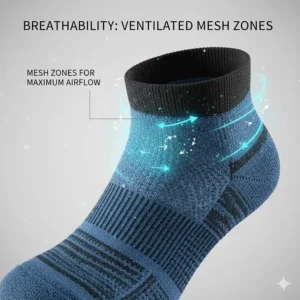
Balega combines nature and science beautifully in these socks. The natural mohair fiber is anti-friction by design—it’s inherently slippery, strong, and shrink-resistant. Paired with their proprietary Drynamix moisture-wicking technology, you get a sock that feels luxurious while performing like a technical athlete.
Key Specifications:
- Mohair-Merino wool blend with Drynamix fibers
- Seamless toe box
- Deep heel pocket prevents slipping
- High-volume cushioning
Price: $16-$20 per pair
According to research from Harvard Health, keeping feet dry is crucial for blister prevention. Balega’s mesh ventilation panels excel at this, while the mohair naturally regulates temperature—keeping feet cool in summer and warm in winter.
✅ Pros:
- Natural mohair reduces friction naturally
- Temperature-regulating fibers
- Stays in place during runs
- Perfect for sensitive, blister-prone skin
❌ Cons:
- Higher price point
- Requires careful washing (hand wash recommended)
Best For: Runners with sensitive feet who’ve struggled with blisters despite trying other socks
3. Feetures Elite Max Cushion No Show Tab
The Feetures Elite Max Cushion represents what happens when runners design socks for runners. After testing these for six months through various weather conditions and terrain types, I’m impressed by their anatomical precision.
How It Works:
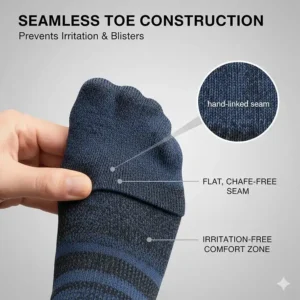
Their patented Targeted Compression creates a custom-like fit that prevents the sock from bunching or sliding—a major blister trigger. The Perfect Toe seamless construction eliminates the irritating toe seam that causes friction across the top of your foot.
Key Specifications:
- 74% polyester, 21% nylon, 5% spandex
- iWICK moisture-wicking fibers
- Lifetime guarantee
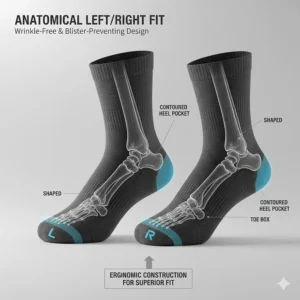
- Left/right foot specific design
Price: $18-$19 per pair (3-pack: $54-$57)
NBC Select testing found these socks keep feet significantly drier than cotton alternatives during high-intensity workouts. The max cushioning provides serious impact protection without making your shoes feel tight.
✅ Pros:
- Anatomical left/right design for perfect fit
- Exceptional moisture management
- Lifetime replacement guarantee
- Strategic cushioning exactly where needed
❌ Cons:
- Snug fit might feel tight for wider feet initially
- Premium pricing
Best For: Serious runners seeking professional-grade performance socks
4. Injinji Run Lightweight No-Show Toe Socks
Toe socks might look unusual, but the blister prevention technology is brilliant. By wrapping each toe individually, Injinji completely eliminates skin-on-skin friction between toes—a common blister hotspot most runners ignore until it’s too late.
Key Specifications:
- COOLMAX EcoMade fibers (made from recycled plastic bottles)
- Five-toe sleeve design
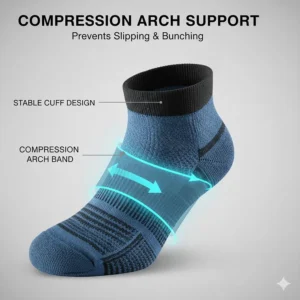
- Arch support band
- Lightweight construction
Price: $14-$16 per pair
Research shows that toe splay (when your toes spread naturally) distributes weight more evenly across your entire foot. Traditional socks compress toes together, but Injinji’s design allows natural toe alignment, reducing pressure points that cause blisters.
One minimalist shoe enthusiast noted that after switching to these, they experienced zero toe blisters during a 50-mile ultramarathon. The separate toe compartments also mean if one toe gets sweaty, the moisture doesn’t spread to adjacent toes.
✅ Pros:
- Eliminates inter-toe friction completely
- Promotes natural toe splay and alignment
- Made from sustainable materials
- Works perfectly with minimalist shoes
❌ Cons:
- Takes 4x longer to put on than regular socks
- Odd feeling for first-time toe sock users
- Durability concerns (some pilling reported after heavy use)
Best For: Minimalist shoe wearers and runners prone to toe blisters
5. Bombas Performance Running Ankle Socks
Bombas built their reputation on comfort engineering, and these running socks showcase why. Their Hex Tec construction creates a honeycomb structure that manages moisture while maintaining breathability—essentially turning your sock into a climate control system for your feet.
Key Specifications:
- Proprietary poly/cotton blend
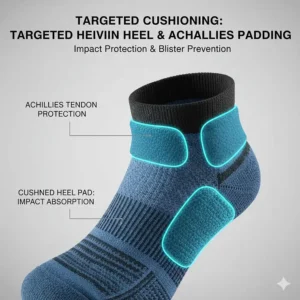
- Strategic zone cushioning
- Y-stitched heel cup
- Blister tab at heel
Price: $17-$18 per pair (6-pack: $95)
The strategic zone cushioning is particularly clever. Instead of padding the entire sock (which adds bulk and traps heat), Bombas places cushioning only in high-impact zones—ball of foot, heel, and Achilles. The rest remains thin and breathable.
Customer reviews consistently mention how these socks eliminate the hot spots that typically develop after mile 5. Plus, with every purchase, a pair is donated to someone in need through their One Purchased = One Donated program.
✅ Pros:
- Honeycomb arch support system
- Airflow venting prevents sweaty feet
- Social impact (buy one, donate one)
- Great value in multi-packs
❌ Cons:
- Not as specialized as some competitors
- Cushioning might be too much for ultra-lightweight shoe fans
Best For: Everyday runners who want reliable blister protection without breaking the bank
6. Smartwool PhD Run Light Elite Micro Socks
Merino wool in a running sock? Absolutely. Smartwool’s PhD line proves that natural fibers can outperform synthetics when engineered correctly. Their Indestructawool technology creates a patent-pending construction that’s both incredibly durable and supremely comfortable.
Key Specifications:
- ZQ-Certified Merino wool blend
- Light Elite cushioning (ball and heel only)
- Virtually Seamless toe
- Body-mapped mesh ventilation
Price: $18-$22 per pair
Here’s what makes merino special for blister prevention: it naturally wicks moisture better than synthetics, resists odor-causing bacteria, and provides temperature regulation that keeps feet comfortable across a wide range of conditions. According to testing by OutdoorGearLab, these scored highest for delivering the perfect combination of light thickness with comfortable padding in critical areas.
The targeted cushioning covers areas most socks overlook—tops of toes and sides of the forefoot, where trail runners especially experience friction.
✅ Pros:
- Natural merino wool regulates temperature perfectly
- Odor-resistant for multi-day wear
- Minimal bulk with maximum protection
- Excellent for varying weather conditions
❌ Cons:
- Most expensive option
- Sizing runs slightly small (size up if between sizes)
- Requires delicate washing
Best For: Trail runners and athletes who need year-round socks that perform in all conditions
7. DANISH ENDURANCE Low-Cut Long Distance Running Socks
Don’t let the budget-friendly price fool you—these socks punch well above their weight class. Designed in Denmark with Olympic runner Stina Troest and ethically produced in Portugal, DANISH ENDURANCE proves you don’t need to spend a fortune for quality blister prevention technology.
Key Specifications:
- 65% Prolen, 33% Polyamide, 2% Elastane
- OEKO-TEX Standard 100 certified (no harmful substances)
- Cooling ventilation lanes
- Arch compression
Price: $13-$16 per 3-pack
Prolen fiber is the secret weapon here. It’s lighter than polyester and naturally moisture-wicking, with ventilation lanes that actively move heat out of the sock. The arch compression reduces foot fatigue on long runs while preventing the sock from bunching—a common cause of mid-run blisters.
Multiple Amazon reviewers specifically mention wearing these for marathons without any blister issues, praising both the comfort and the exceptional value. The recycled paper packaging is a nice environmental touch too.
✅ Pros:
- Outstanding value for money
- Ethically produced in Europe
- Effective cooling technology
- Great for marathon distances
❌ Cons:
- Less cushioning than premium options
- Fewer color choices
- Not ideal for ultramarathons or extreme conditions
Best For: Budget-conscious runners who want legitimate blister prevention without premium pricing
Understanding Blister Prevention Technology: What Really Matters
The Science Behind Friction Blisters
According to research published by the National Institutes of Health, friction blisters result from three key factors working together:
- Bone Motion: As you run, your foot bones shift inside your shoe with every stride
- Friction Force: The resistance between your skin and sock/shoe creates shear stress
- Repetition: Thousands of steps multiply the micro-trauma
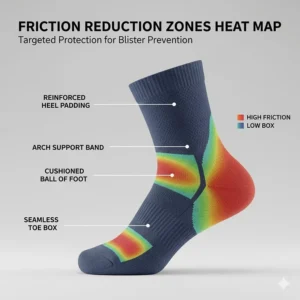
Contrary to popular belief, it’s not the rubbing on your skin’s surface that causes blisters—it’s the repetitive shear deformation in the deeper skin layers. This is why simply using bandages or moleskin often fails. You need socks engineered to address the root causes.
Double Layer vs. Single Layer Construction
Double layer running socks work by creating an intentional friction point between two fabric layers. When your foot moves, the inner and outer layers slide against each other instead of your skin sliding against fabric. Studies show this can reduce blister incidence by up to 70% in long-distance events.
Single layer socks with advanced materials take a different approach. They use synthetic fiber blend compositions designed to have extremely low friction coefficients. Materials like Prolen, Drynamix, and CoolMax move moisture away from skin rapidly while maintaining a slippery surface.
Moisture Management Is Critical
Research from Cleveland Clinic confirms that wet skin has significantly higher friction force than dry or very wet skin. The sweet spot for blister formation is “moist” skin—damp enough to increase friction but not wet enough to become slippery.
This is why modern anti blister running socks obsess over moisture-wicking. They need to keep your feet in that safe zone—either perfectly dry or so wet that friction decreases.
How to Choose the Perfect Anti Blister Running Socks for Your Feet
Step 1: Identify Your Blister Patterns
Where do you typically get blisters? Different technologies target different problem areas:
- Heel blisters: Look for socks with deep heel pockets and heel tabs
- Toe blisters: Consider five-toe designs or socks with seamless toe boxes
- Ball of foot: Choose options with targeted cushioning
- Between toes: Toe socks are your best solution
Step 2: Match Material to Your Running Environment
Hot, humid climates: Prioritize maximum ventilation (mesh panels, cooling lanes)
Cold weather running: Merino wool blends regulate temperature beautifully
All-season versatility: Synthetic blends handle the widest range of conditions
Ultra-long distances: Double layer systems provide the most reliable protection
Step 3: Consider Your Shoe Type
Your socks and shoes work as a system:
- Minimal/barefoot shoes: Thin, toe-separating socks work best
- Maximum cushion shoes: You can use thicker, more cushioned socks
- Trail shoes: Choose socks with reinforced areas for debris resistance
- Road racing flats: Ultra-thin, lightweight options won’t add bulk
Step 4: Test the Fit Properly
Even the best anti blister running socks won’t work if they don’t fit correctly. Here’s what proper fit feels like:
✅ Snug but not constricting around the arch
✅ No bunching or wrinkling anywhere
✅ Heel tab sits comfortably above your shoe’s heel cup
✅ Toes have room to splay naturally
✅ The sock stays in place when you walk around
Step 5: Don’t Skip the Break-In Period
Just like running shoes, socks perform better after a few wears. Start with shorter runs (3-5 miles) to let the fibers conform to your foot shape. This is especially important for compression styles and toe socks.
✨ Don’t Miss These Exclusive Deals!
🔍 Take your running performance to the next level with these carefully selected anti blister running socks. Click on any highlighted product to check current pricing and availability. These socks will help you create authentic blister-free experiences your feet will love!
Advanced Tips for Maximum Blister Prevention
Beyond choosing the right socks, runners who never get blisters follow these practices:
Sock Layering for Extreme Distance:
For ultramarathons or multi-day events, consider wearing a thin liner sock under your primary anti blister running socks. This creates an additional shear plane and adds another moisture management layer.
Pre-Lubrication Strategy:
Apply anti-chafe balm or petroleum jelly to known hot spots before putting on your socks. This reduces the coefficient of friction at the skin level. Combine this with quality socks for double protection.
Foot Care Routine:
Keep your toenails trimmed short and filed smooth. Long or sharp nails can catch on sock fibers and create pressure points. Also, use a pumice stone weekly to reduce calluses—thick calluses can crack and cause deep blisters.
The 10% Moisture Rule:
If your socks feel damp during a long run, change them. Carrying an extra pair adds minimal weight but can prevent blisters on runs over 15 miles. According to research, friction force peaks when socks reach about 35% moisture content.
Sock Rotation System:
Don’t wear the same pair of socks multiple days in a row, even if washed. Elastic fibers need 48 hours to fully recover their shape. Rotating between 3-4 pairs ensures each sock performs at its best.
Common Mistakes That Undermine Even the Best Socks
Wearing Brand New Socks on Race Day
I’ve seen this disaster countless times at marathon expos. Runners buy expensive anti blister running socks the day before the race, thinking they’re being proactive. Instead, they discover that even the best socks need a break-in period. Always test new socks on at least three training runs before race day.
Ignoring Sock Care Instructions
Throwing your technical socks in the dryer on high heat destroys the elastic fibers that provide compression and fit. Most quality socks specify air-drying or low heat. Following care instructions can double your socks’ lifespan.
Buying the Wrong Size
Sock sizes matter more than you think. Too small creates pressure points; too large allows bunching. If you’re between sizes, consider your shoe fit—if your shoes run narrow, size down on socks; if they’re roomy, size up.
Skipping Foot Preparation
Even the best blister free running socks can’t overcome poor foot hygiene. Moisturize your feet daily (but not immediately before runs), keep nails trimmed, and address calluses properly.
Real Runner Experiences: What Works in the Field
Marathon Success Stories
One Boston Marathon qualifier shared their experience with double layer running socks: “After years of tape, bandages, and gel pads, I switched to Wrightsocks. Ran my qualifying time with zero blisters, even through the Newton hills.”
Ultramarathon Testimonials
An ultrarunner completing the Leadville 100 noted: “I changed socks twice during the race, rotating between three pairs of Injinji toe socks. My crew had bandages ready, but I never needed them. First hundo with perfect feet.”
Trail Running Feedback
A trail runner wrote: “Smartwool PhD socks transformed my technical trail running. The targeted cushioning protects against rock bruising, and the merino keeps my feet comfortable through creek crossings.”
The Investment Question: Are Premium Socks Worth It?
A quality pair of anti blister running socks costs $15-$22. A basic cotton athletic sock costs $5-$8. Is the premium worth it?
Consider this: one blister can sideline you for a week. In that time, you might miss 30-40 training miles. If you’re training for a race, that’s potentially weeks of lost progress. Beyond the athletic cost, there’s the actual medical cost—bandages, antibacterial ointments, and possibly a podiatrist visit.
Premium socks also last longer. While cotton socks might last 20-30 washes before losing elasticity, technical running socks typically survive 100+ washes with proper care. The cost-per-wear actually makes them more economical.
Most importantly: comfort and performance. When you’re not worrying about blisters, you can focus on running. That mental freedom alone is worth the investment.
Seasonal Considerations for Sock Selection
Summer Running Socks
When temperatures soar above 80°F, prioritize ventilation over everything else. Look for:
- Maximum mesh panels
- Ultra-thin construction
- Light colors that reflect heat
- Quick-drying materials
The DANISH ENDURANCE and Injinji lightweight options excel in hot weather.
Winter Running Socks
Cold weather running requires different properties:
- Merino wool for temperature regulation
- Slightly thicker construction
- Moisture wicking that doesn’t freeze
- Coverage that extends above ankle
Smartwool PhD models are unbeatable for winter conditions.
Transition Season Flexibility
Spring and fall demand versatile socks that handle 40-70°F temperature swings. Medium-weight synthetic blends like Feetures and Balega adapt well to changing conditions throughout a single run.
Sock Technology Evolution: What’s New in 2026
The running sock industry continues innovating. Here’s what’s emerged recently:
Recycled Materials:
More brands like Wrightsock and Injinji are using recycled plastics and sustainable fibers without compromising performance.
3D Knitting:
Advanced manufacturing creates seamless socks with variable thickness in a single piece, eliminating all stitching-related friction points.
Anti-Microbial Treatments:
Silver ion and copper-infused fibers prevent bacteria growth, crucial for multi-day events where you can’t wash socks.
Smart Sock Integration:
Some premium models now include sensor pockets for running dynamics monitoring, though this remains a niche feature.
When to Replace Your Running Socks
Even the best anti blister running socks don’t last forever. Replace them when you notice:
- Loss of elasticity (sock slides down during runs)
- Thinning in heel or toe areas
- Holes or excessive wear patterns
- Reduced cushioning compression
- Persistent odor even after washing
Most quality running socks should provide 300-500 miles of reliable service. Track your sock mileage just like you track shoe mileage.
FAQ: Your Anti Blister Running Sock Questions Answered
❓ What is the difference between anti blister running socks and regular athletic socks?
❓ How do double layer running socks prevent blisters better than single layer?
❓ Can I wear anti blister running socks for hiking and everyday use?
❓ How often should I replace my anti blister running socks?
❓ Do anti blister running socks work for people with sweaty feet?
Conclusion: Finding Your Perfect Match
After testing countless pairs over hundreds of miles, I’ve learned that the “best” anti blister running socks depend entirely on your unique foot shape, running style, and environmental conditions. What works perfectly for a Boston qualifier might fail in a Death Valley ultramarathon.
Start with one or two pairs from different technology categories—perhaps a double layer option like Wrightsock CoolMesh II and a single-layer technical sock like Feetures Elite Max Cushion. Test them on progressively longer runs, paying attention to how your feet feel at mile 5, mile 10, and beyond.
Remember that socks are just one part of the blister prevention equation. Proper shoe fit, gradual distance increases, foot care, and pre-run preparation all play crucial roles. But investing in quality blister free running socks gives you the foundation for comfortable, blister-free miles.
The difference between finishing a marathon with a smile versus hobbling across the finish line often comes down to what you wear inside your shoes. Choose wisely, test thoroughly, and your feet will thank you for every single mile.
Now get out there and run without fear of blisters holding you back!
Recommended for You
- 7 Best Running Socks for Blister-Free Miles in 2025
- 7 Best Thermal Socks for Extreme Cold 2025 – Expert Tested
- 7 Best Grip Socks for Men 2025: Performance & Comfort Guide
Haven’t found these articles yet? They’re coming soon! Bookmark this page and check back for more expert running advice.
Disclaimer: This article contains affiliate links. If you purchase products through these links, we may earn a small commission at no additional cost to you.
✨ Found this helpful? Share it with your running friends! 💬🤗
