
In This Article
You’ve spent hours researching the perfect backpack and breaking in those hiking boots, but have you thought about what’s protecting your feet from 50,000+ steps per day? I learned this lesson the hard way during a three-day trek through the Appalachian Trail when my cotton socks turned my feet into a blistered, soggy mess by day two.
The best socks for backpacking aren’t just about cushioning—they’re about moisture management, temperature regulation, and durability over hundreds of miles. Whether you’re planning a weekend camping trip or a thru hiking adventure, the right multi day hiking socks can mean the difference between conquering those peaks and limping back to the trailhead.
Modern backpacking socks have evolved far beyond simple cotton tubes. Today’s long distance backpacking socks feature advanced merino wool blends, targeted cushioning zones, and construction techniques that prioritize both long-distance comfort and pack weight consideration. According to research from North Carolina State University, merino wool maintains thermal equilibrium during both activity and rest phases, making it superior to synthetic materials for dynamic outdoor activities.
In this guide, you’ll discover the top seven durable backpacking socks that have proven themselves on trails worldwide, along with everything you need to know about choosing, caring for, and maximizing the lifespan of your investment.
Quick Comparison Table
| Sock Model | Weight | Cushioning | Price Range | Best For | Quick-Dry |
|---|---|---|---|---|---|
| Darn Tough Hiker Micro Crew | Midweight | Medium | $24-28 | All-around versatility | Moderate |
| Smartwool Hike Light Cushion | Lightweight | Light | $18-24 | Warm weather hiking | Fast |
| Farm to Feet Damascus | Lightweight | Targeted | $22-26 | Thru hiking | Fast |
| Danish Endurance 3-Pack | Lightweight | Light | $22-25 | Budget-conscious hikers | Very Fast |
| Darn Tough Light Hiker | Lightweight | Light | $25-27 | Hot conditions | Fast |
| Injinji Trail Midweight | Midweight | Medium | $16-20 | Blister prevention | Moderate |
| REI Co-op Midweight | Midweight | Medium | $16-20 | Cold weather | Moderate |
💬 Just one click – help others make better buying decisions too! 😊
✨ Don’t Miss These Exclusive Deals!
🔍 Take your backpacking experience to the next level with these carefully selected products. Click on any highlighted item to check current pricing and availability. These socks will help you create authentic trail memories your friends will envy!
Top 7 Best Socks for Backpacking: Expert Analysis
1. Darn Tough Hiker Micro Crew Cushion – The Gold Standard
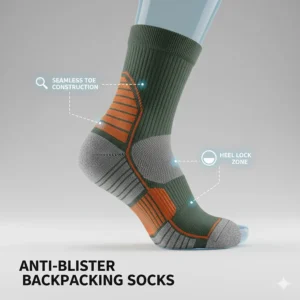
When it comes to thru hiking socks, the Darn Tough Hiker Micro Crew Cushion has earned legendary status among Pacific Crest Trail and Appalachian Trail veterans. Made in Vermont with 61% merino wool, 36% nylon, and 3% Lycra spandex, these socks deliver the perfect balance of comfort and durability.
The micro crew height sits about 6 inches above standard hiking boots, providing excellent protection against boot friction without feeling restrictive. What sets these apart is the targeted cushioning—substantial padding underfoot where you need it most, with breathable zones on top to prevent overheating. True seamless technology eliminates the toe seam entirely, reducing blister-generating friction to virtually zero.
The unconditional lifetime warranty isn’t just marketing—hikers consistently report getting replacements after years of hard use, though many pairs last 1,000+ miles before showing significant wear. Customers rave about the temperature regulation, with one reviewer noting they stayed comfortable from freezing mountain passes to desert valleys.
Price: $24-28 per pair
Pros:
✅ Lifetime warranty with excellent customer service
✅ Maintains cushioning even after hundreds of washes
✅ True-to-size fit works for narrow and wide feet
Cons:
❌ Less breathable than lightweight alternatives
❌ Higher price point than budget options
2. Smartwool Hike Light Cushion Crew – The Eco-Conscious Choice
For hikers who prioritize sustainability alongside performance, Smartwool Hike Light Cushion Crew socks check every box. These lightweight champions feature 58% merino wool sourced through ZQ certification, ensuring environmental and economic sustainability while safeguarding animal welfare. The recycled nylon content further reduces environmental impact.
The 4 Degree Elite Fit System creates a dialed-in, performance-oriented fit that stays put during long miles. Light cushioning on the entire bottom provides comfort without bulk—perfect for those wearing snug-fitting trail runners or ultralight hiking shoes. Mesh ventilation zones target heat management, while Indestructawool technology reinforces high-wear areas like heels and toes.
These multi day hiking socks shine in warm to moderate conditions, making them ideal for summer backpacking trips or desert environments where breathability trumps insulation. The Virtually Seamless toe construction prevents hot spots during those crucial first miles when blisters typically form.
Price: $18-24 per pair
Pros:
✅ Superior breathability for hot weather hiking
✅ Ethical sourcing with ZQ certification
✅ Lightweight design minimizes pack weight consideration
Cons:
❌ Light cushioning may not suffice for heavy loads
❌ Some users report fit loosens slightly over extended wear
3. Farm to Feet Damascus Lightweight – The American-Made Wonder
Every component of the Farm to Feet Damascus Lightweight socks comes from American sources—from the merino wool to the manufacturing facility. This commitment to domestic production results in exceptional quality control and supports local workers. Named after the hiker-friendly town on the Appalachian Trail, these socks were designed specifically for serious section- and through-hikers.
The targeted full-density padding protects critical blister zones during high-mile days, while super-fine 19.5-micron merino wool creates an incredibly soft feel against skin. Unlike thicker alternatives, the lightweight construction combined with strategic cushioning provides protection without sacrificing quick-drying fabric performance. Seamless toe construction and anatomical left/right shaping ensure these socks conform naturally to your foot’s unique geometry.
Farm to Feet backs their product with a satisfaction guarantee, offering replacements for dissatisfied customers. Reviews consistently mention the impressive odor resistance—one corrections officer wears them daily for 12-hour concrete shifts and reports exceptional comfort and freshness.
Price: $22-26 per pair
Pros:
✅ 100% American materials and manufacturing
✅ Excellent odor resistance for multi-day trips
✅ Superior moisture management in humid conditions
Cons:
❌ Premium pricing reflects domestic production costs
❌ Some users note slight pilling after 8-10 washes
4. Danish Endurance Merino Wool Hiking Crew 3-Pack – The Value Champion
Budget-conscious backpackers rejoice—the Danish Endurance Merino Wool Hiking Crew 3-Pack delivers remarkable performance at a fraction of premium brand prices. Don’t let the lower price fool you; these socks feature 38% merino wool, anatomical left/right shaping, and OEKO-TEX Standard 100 certification ensuring they’re free from harmful substances.
The three-pack format means you always have a fresh pair ready for your next adventure. Light cushioning from heel to toe minimizes blisters without adding excessive bulk, while targeted ventilation zones and mesh panels ensure excellent breathability. The seamless toe design reduces rubbing, and arch support helps these long distance backpacking socks stay securely in place during technical terrain.
Danish Endurance offers a year-long hole-free guarantee—if any holes develop within the first year, they’ll send replacements free of charge. Extreme endurance athlete Rasmus Kragh tested these during his 1,130 km solo trek to the South Pole, validating their performance in brutal conditions. The socks are responsibly made in Portugal with mulesing-free merino wool.
Price: $22-25 for 3-pack (~$7-8 per pair)
Pros:
✅ Outstanding value with three pairs included
✅ Year-long hole-free guarantee
✅ Fast-drying for quick washing on trail
Cons:
❌ Lower merino wool percentage than premium options
❌ May not provide enough warmth for winter hiking
5. Darn Tough Light Hiker Micro Crew – The Breathability King
When temperatures soar and every ounce matters, the Darn Tough Light Hiker Micro Crew represents the pinnacle of lightweight hiking sock design. Featuring 46% merino wool, 51% nylon, and 3% spandex, this updated version includes mesh panels on top of the foot for increased breathability, smooth ribbing that stays put, and extended cushioning over the Achilles tendon.
The lightweight construction makes these ideal for ultralight backpackers who count grams and favor trail runners over heavy boots. Despite the reduced weight, targeted cushioning still protects the heel and ball of the foot where impact is greatest. The fine-gauge knitting creates a sock that’s supremely comfortable, breathable, and surprisingly durable for its weight class.
These excel in hot, dry conditions or for hikers who tend to overheat easily. The quick-drying fabric shines during stream crossings or humid environments where moisture management becomes critical. Like all Darn Tough products, these carry the unconditional lifetime guarantee and Made in Vermont pride.
Price: $25-27 per pair
Pros:
✅ Exceptional breathability for hot weather
✅ Minimal weight for ultralight setups
✅ Extended Achilles cushioning prevents rubbing
Cons:
❌ Light cushioning may fatigue feet with heavy packs
❌ Not ideal for temperatures below 40°F
6. Injinji Trail Midweight Crew – The Blister-Proof Innovation
For hikers plagued by blisters between toes, Injinji Trail Midweight Crew toe socks offer a revolutionary solution. By wrapping each toe individually in sweat-wicking material, these eliminate skin-on-skin friction entirely—the primary cause of inter-toe blisters. The innovative design also promotes proper toe splay and alignment, distributing weight more evenly across your entire foot.
The 200-needle construction creates lightweight yet durable socks that withstand trail abuse. Extra cushioning on the footbed increases comfort during long descents, while the thicker cuff holds the sock in place and reduces chafing. Made from 75% CoolMax EcoMade (recycled polyester), 21% nylon, and 4% Lycra, these prioritize moisture management and durability.
The learning curve is minimal—most hikers adapt to the toe-sock feel within the first mile. Many ultralight backpackers pair these with a thin liner sock for a two-layer blister prevention system that’s virtually foolproof. The unique construction allows you to feel the terrain better, enhancing balance and proprioception on technical trails.
Price: $16-20 per pair
Pros:
✅ Eliminates inter-toe blisters completely
✅ Promotes natural toe splay and alignment
✅ Budget-friendly synthetic option
Cons:
❌ Toe-sock design requires adjustment period
❌ Takes longer to put on than traditional socks
7. REI Co-op Merino Wool Midweight Hiking Crew – The Cold Weather Specialist
When winter backpacking calls or you’re heading into alpine environments, REI Co-op Merino Wool Midweight Hiking Crew socks provide the warmth and cushioning needed for cold conditions. With allover cushioning and a high merino wool content (typically around 70-79%), these socks deliver serious insulation without excessive bulk.
The midweight construction strikes a sweet spot—warm enough for shoulder-season hiking and winter conditions, yet breathable enough to prevent overheating during steep climbs. REI’s field testing by Co-op members ensures real-world performance, and their satisfaction guarantee means you can return them if they don’t meet expectations.
These durable backpacking socks excel in moderate to cold conditions, particularly for hikers carrying heavier loads who appreciate extra cushioning. The naturally breathable merino blend wicks moisture effectively while resisting odors during extended trips. Though some recent reviews mention quality changes, many hikers still praise the 79% merino content—higher than many premium competitors.
Price: $16-20 per pair
Pros:
✅ Excellent warmth-to-weight ratio for cold weather
✅ High merino wool content at competitive pricing
✅ REI satisfaction guarantee provides peace of mind
Cons:
❌ Some users report sizing runs large—consider sizing down
❌ Recent manufacturing changes may affect consistency
Understanding Sock Materials: Science Meets Trail Performance
The fabric composition of your backpacking socks determines everything from moisture management to odor resistance. Let’s break down the key materials and why they matter for long distance backpacking socks.
Merino Wool: Nature’s Performance Fiber
Merino wool has become the gold standard for hiking socks, and scientific research backs up the hype. According to a comprehensive four-year study by North Carolina State University, merino wool delivers superior thermal comfort during dynamic stop-go activities like hiking because it maintains thermal equilibrium during both exertion and rest phases.
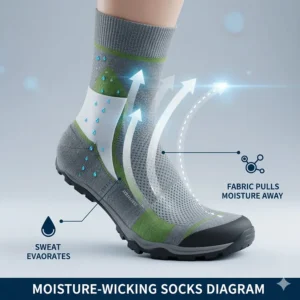
The fiber’s crimped structure creates microscopic air pockets that provide insulation in cold weather while allowing heat to escape when temperatures rise. Merino can absorb up to 30% of its weight in moisture without feeling wet to the touch—a game-changer for multi day hiking socks. The natural antimicrobial properties of merino wool resist odor-causing bacteria far better than synthetics, allowing you to wear the same pair for days without offensive smells.
At less than 22 microns thick (compared to 50-100 microns for human hair), superfine merino feels incredibly soft against skin while providing surprising durability when blended with nylon for reinforcement.
Nylon and Synthetic Blends
Pure merino wool, while wonderful, lacks the abrasion resistance needed for demanding backpacking conditions. That’s why most premium hiking socks blend merino with nylon (typically 20-40% of the total composition). This synthetic fiber dramatically increases durability in high-wear zones like heels and toes while improving the sock’s ability to retain its shape after repeated washing.
Nylon also contributes to faster drying times—critical for thru hiking socks when you need to wash and rewear the same pair. Some manufacturers use recycled nylon, adding an eco-friendly dimension to the performance benefits.
Spandex/Lycra: The Fit Factor
That 2-4% spandex or Lycra in your socks isn’t filler—it’s the secret ingredient that keeps socks snug without feeling restrictive. This elasticity prevents bunching and slipping, which are major blister culprits. The stretch also allows socks to conform to your unique foot shape while maintaining recovery properties that prevent permanent stretching.
Cotton: The Material to Avoid
“Cotton kills” isn’t just dramatic hyperbole in the backpacking community. Cotton retains moisture, provides zero insulation when wet, and takes forever to dry. Those cute cotton socks you got for $3 at the big box store will create blisters, cold feet, and potential fungal issues on any serious backpacking trip. Save cotton for around the house.
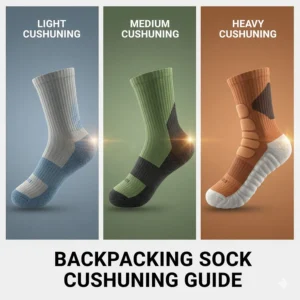
Cushioning Levels: Finding Your Goldilocks Zone
The amount of cushioning in your backpacking socks dramatically affects comfort, weight, and performance. Here’s how to choose the right level for your needs.
Lightweight Cushioning
Lightweight socks feature minimal padding—usually just in the heel and ball of the foot. These work brilliantly for:
- Day hiking and short overnight trips
- Trail runners and low-cut hiking shoes
- Warm weather conditions
- Ultralight backpackers counting every gram
- Hikers who prefer more ground feel
The reduced bulk means better breathability and faster drying times. However, lightweight cushioning may leave feet fatigued when carrying heavy loads over rocky terrain or during extended trips.
Midweight Cushioning
The sweet spot for most backpackers, midweight cushioning provides protection without excessive bulk. These offer:
- Balanced comfort for moderate to heavy loads
- Adequate warmth for shoulder-season conditions
- Versatility across different terrains and trip lengths
- Reasonable pack weight consideration
Midweight socks work well with both hiking boots and trail runners, making them the “one sock to rule them all” for hikers who don’t want multiple sock types.
Heavyweight Cushioning
Maximum cushioning delivers serious comfort and warmth but comes with tradeoffs:
- Ideal for winter backpacking and cold climates
- Excellent for very heavy loads (50+ lbs)
- Superior comfort on extremely rough terrain
- Works best with roomy boots (may feel tight in trail runners)
The extra material takes longer to dry and adds noticeable weight to your pack. Most backpackers find heavyweight overkill for three-season hiking.
Targeted Cushioning vs. Full Coverage
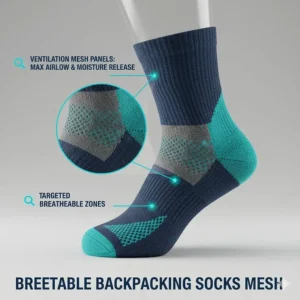
Many premium socks use targeted cushioning—extra padding only where you need it most (heel, ball of foot, Achilles) with thinner, more breathable panels elsewhere. This approach optimizes comfort, weight, and moisture management simultaneously. Full-coverage cushioning provides uniform padding everywhere, which some hikers prefer for maximum protection.
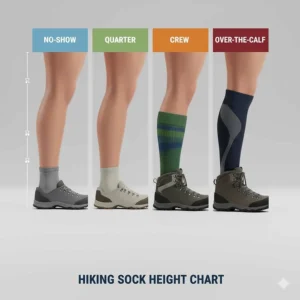
Sock Height Matters: Crew vs. Quarter vs. Ankle
The height of your backpacking socks affects more than aesthetics—it determines protection against boot abrasion, warmth, and debris management.
Crew Height (The Most Popular)
Crew socks extend 6-8 inches above standard hiking boots, typically reaching mid-calf. This height:
- Protects against boot collar rubbing and hot spots
- Prevents debris from entering boots during off-trail adventures
- Provides extra warmth for cold weather hiking
- Offers sun protection for exposed lower legs
- Works perfectly with tall hiking boots
Most serious backpackers default to crew height for long distance backpacking socks because the additional coverage prevents common friction points.
Quarter/Ankle Height
Quarter-crew socks sit just above the ankle bone, offering a lower-profile option that:
- Pairs well with low-cut trail runners and hiking shoes
- Provides better breathability in hot conditions
- Reduces weight and bulk slightly
- Allows more freedom of movement around the ankle
The tradeoff is less protection—your boots or shoes can rub directly on skin above the sock line, potentially causing hot spots or blisters.
No-Show/Hidden Socks
Ultra-low profile socks work for casual day hiking in trail runners but rarely make sense for serious backpacking. They offer minimal protection and are best reserved for running or fast-and-light day trips where you’re prioritizing weight savings above all else.
Matching Sock Height to Footwear
A good rule: your socks should extend at least 1-2 inches higher than your boot collar or shoe opening. This overlap prevents friction and keeps trail debris out. For traditional hiking boots, crew height is ideal. For low-cut trail runners, quarter-crew works well.
Fit and Sizing: The Overlooked Critical Factor
Even the most expensive durable backpacking socks won’t perform well if they don’t fit properly. Here’s how to ensure a perfect fit.
Understanding Sock Sizing
Most hiking sock brands use size ranges (S, M, L, XL) based on shoe size rather than universal sizing. Always check the manufacturer’s specific size chart—a “Medium” from Darn Tough may differ from Smartwool’s “Medium.”
Look for socks with left/right designation (asymmetric construction) for a more anatomical fit that conforms naturally to each foot’s unique shape. This feature, once rare, is now standard in premium backpacking socks.
The Heel Cup Test
When you try on hiking socks, the heel cup should sit exactly at your heel—not above or below. This alignment ensures proper cushioning placement and prevents bunching. If the heel cup sits on your Achilles or under your arch, the sock is too big or too small.
Toe Box Considerations
Your toes should have slight wiggle room without excess fabric bunching at the toe. Too much extra material creates friction; too little compression can restrict circulation on downhills. The toe seam (if present) should sit comfortably across your toes, not pulling or creating pressure points.
Arch Support and Compression
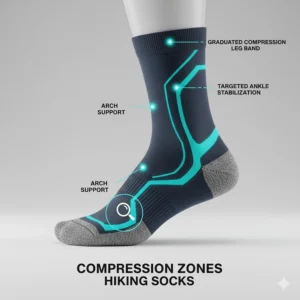
Quality hiking socks include elastic arch support bands that hug your midfoot, preventing the sock from rotating or sliding during steep climbs and descents. This support should feel snug but not restrictive—you shouldn’t notice it during normal hiking.
The Pre-Purchase Fit Trick
Many outdoor retailers let you try on socks with your hiking boots in-store. Take advantage of this! Walk around for 5-10 minutes, focusing on any hot spots, bunching, or discomfort. Your feet will thank you when you’re 10 miles into a backcountry trail.
Sizing Down for Snug Fits
Some hikers intentionally size down for a snugger fit, particularly with merino wool socks that may stretch slightly over time. However, this approach can backfire—overly tight socks restrict circulation and increase blister risk. When in doubt, follow the manufacturer’s sizing guidelines.
Blister Prevention: Your Socks Are Your First Line of Defense
Blisters can turn an epic backpacking trip into a painful trudge. While proper-fitting boots are crucial, the right multi day hiking socks play an equally important role in blister prevention.
How Blisters Form
Blisters result from friction—your sock moving against your skin creates heat and shear forces that separate skin layers. Moisture exacerbates the problem by softening skin and increasing friction coefficients. Understanding this mechanism reveals why sock choice matters so much.
Material Matters for Blister Prevention
Merino wool’s moisture-wicking properties keep feet drier, reducing the friction that causes blisters. The fiber’s natural elasticity also minimizes the sliding movement that generates shear forces. According to research published by the Pacific Crest Trail Association, merino wool can hold up to 30% of its weight in water while still feeling dry to the touch.
Seamless toe construction eliminates a major blister trigger point. Traditional toe seams create a ridge that can rub during the repetitive motion of hiking, especially on long descents when toes press forward in boots.
The Two-Sock System
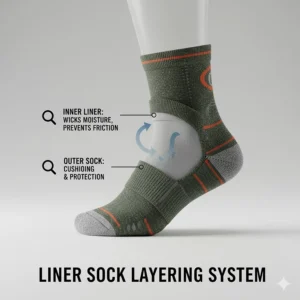
Many thru-hikers swear by wearing a thin liner sock under their main hiking sock. This layering approach works on a simple principle: friction occurs between the two sock layers rather than between sock and skin. Popular liner materials include silk, synthetic blends, and ultra-thin merino wool. The Injinji toe socks mentioned earlier can serve as excellent liners.
Sock Replacement and Rotation
Even the best thru hiking socks eventually wear down and lose their protective properties. Watch for:
- Thinning fabric in high-wear zones (heels, balls of feet)
- Decreased cushioning that doesn’t recover after washing
- Persistent odors that don’t wash out (sign of bacterial buildup in damaged fibers)
- Holes or visible wear (obviously time for replacement!)
Rotating between 2-3 pairs extends the life of each pair while ensuring you always have dry socks available. This rotation is particularly important for long-distance comfort on multi-week trips.
Pre-Trip Sock Break-In
New socks, even from trusted brands, should be worn on several shorter hikes before a major backpacking trip. This break-in period helps identify any fit issues and allows the socks to conform to your feet. It also lets you test moisture management in real conditions rather than discovering problems 20 miles from the trailhead.
Care and Maintenance: Maximizing Sock Lifespan
Proper care dramatically extends the life of your investment in quality backpacking socks. Here’s how to keep them performing mile after mile.
Washing Best Practices
Temperature: Wash hiking socks in cold or warm water (never hot). High temperatures can damage elastic fibers and cause shrinkage, particularly in high-merino-content socks.
Detergent: Use mild, scent-free detergent without fabric softeners. Fabric softeners coat fibers and reduce moisture-wicking performance. Some hikers prefer sport-specific wool washes like Nikwax Wool Wash.
Inside Out: Turn socks inside-out before washing to protect the outer surface and ensure thorough cleaning where your feet contact the fabric.
Cycle Selection: Gentle cycles minimize wear on delicate merino fibers. Avoid washing hiking socks with items that have Velcro or rough textures that can pill or damage the fabric.
Drying Methods
Air Drying (Best): Hang or lay flat to dry naturally. This method preserves elasticity and prevents heat damage. Most hiking socks air-dry within 12-24 hours.
Low Heat (Acceptable): If you must use a dryer, select the lowest heat setting. Remove socks while still slightly damp and finish air-drying to minimize heat exposure.
Never: High heat, direct sunlight, or radiators. These methods can cause irreversible shrinkage and elastic breakdown.
On-Trail Washing
During multi-day trips, you can hand-wash socks using:
- Biodegradable camp soap (used sparingly and disposed of properly)
- Simple water rinsing (often sufficient for merino wool)
- The “sock in a water bottle” method—add soap and sock to a water bottle, shake vigorously, rinse
Hang washed socks on your backpack while hiking to dry—they’ll usually be ready by evening. This technique allows you to carry fewer pairs while maintaining hygiene.
Storage Solutions
Store clean, dry hiking socks:
- In a drawer or bin with good air circulation (not sealed plastic)
- Away from direct sunlight (UV can degrade fibers over time)
- Not compressed or tightly rolled (this can damage elastic fibers)
Organizing socks by weight/season helps you grab the right pair quickly when planning trips.
When to Replace
Even with perfect care, hiking socks don’t last forever. Replace when:
- Cushioning flattens and doesn’t recover
- Fabric thins noticeably in wear zones
- Elastic loses stretch (socks slide down during use)
- Odors persist despite thorough washing
- Visible holes or tears appear
Many premium brands offer warranty programs—Darn Tough’s lifetime guarantee and Smartwool’s improved warranty mean you may get free replacements for prematurely failing socks.
Quick-Drying Fabric: Essential for Multi-Day Trips
When you’re deep in the backcountry with limited clothing, quick-drying fabric becomes a crucial feature. Let’s explore why drying speed matters and what affects it.
Why Drying Speed Matters
On thru-hiking adventures or multi-day backpacking trips, you’ll likely carry only 2-3 pairs of socks. Being able to wash and rewear a pair within 24 hours (or faster) prevents having to carry excessive socks, saving valuable pack weight consideration. Stream crossings, rain, and simple sweat can soak socks unexpectedly—fast drying minimizes downtime with wet, uncomfortable feet.
Wet socks dramatically increase blister risk and can lead to trench foot in cold conditions. Quick-drying fabric protects against these hazards.
Factors Affecting Drying Time
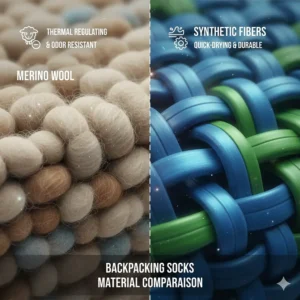
Material Composition: Synthetic fibers (nylon, polyester) dry faster than pure merino wool. That’s why most hiking socks blend wool with synthetics—you get wool’s moisture-wicking and odor-fighting benefits with faster drying.
Cushioning Level: Lightweight socks dry much faster than heavyweight cushioned socks simply because there’s less material holding moisture. This is one reason ultralight hikers often prefer lighter-weight socks.
Humidity and Temperature: Even the best quick-drying fabric struggles in humid, cool conditions. In tropical or coastal environments, anticipate longer drying times and plan accordingly.
Air Circulation: Hanging socks where air can reach all surfaces dramatically speeds drying. Clip them to your pack’s exterior while hiking (in a mesh bag to prevent losing them) for efficient passive drying.
Real-World Drying Performance
Based on field testing by experienced hikers:
- Lightweight synthetic blends: 4-8 hours in good conditions
- Lightweight merino/nylon blends: 8-12 hours
- Midweight merino blends: 12-24 hours
- Heavyweight full-cushion socks: 24-36+ hours
These times vary significantly with environmental conditions. In dry, sunny weather with good airflow, even midweight socks can dry quickly. In humid, overcast conditions, even lightweight socks may take considerably longer.
The Morning Wash Strategy
Many experienced backpackers wash socks first thing in the morning, then attach them to their pack’s exterior while hiking. By evening camp, the socks are dry and ready for the next day. This system works particularly well with quick-drying fabric designs.
Pack Weight Consideration: Every Gram Counts
For ultralight backpackers and thru-hikers, even socks factor into the eternal quest to reduce pack weight. Here’s how to balance comfort with weight savings.
Sock Weight Comparisons
Lightweight hiking socks: 1.5-2.5 oz per pair Midweight hiking socks: 2.5-3.5 oz per pair
Heavyweight hiking socks: 3.5-5 oz per pair
Over a typical three-pair rotation, the difference between lightweight and heavyweight socks amounts to roughly 6-10 ounces—meaningful when you’re counting every ounce.
The Minimalist Approach
Some ultralight purists carry only two pairs of socks: one to wear, one to wash. This system requires discipline in washing and drying but saves considerable weight. Success depends on choosing lightweight, quick-drying fabric socks and maintaining a strict washing schedule.
Weight vs. Comfort Trade-offs
Reducing sock weight shouldn’t come at the expense of blister prevention or foot comfort. A few ounces of extra sock weight is worthwhile if it prevents blisters that could end your trip early. Many experienced hikers find midweight socks offer the best balance—moderate weight with adequate protection and reasonable drying times.
Material Density and Performance
Higher-quality socks use fine-gauge knitting that creates lighter socks without sacrificing durability. This is why premium brands like Darn Tough can offer lightweight options that still last 1,000+ miles—superior construction compensates for less material.
Seasonal Considerations: One Sock Doesn’t Fit All Seasons
Your sock choices should adapt to seasonal conditions just like the rest of your gear. Here’s how to match socks to the season.
Summer/Hot Weather (70°F+)
Ideal Choice: Lightweight socks with maximum breathability
Key Features: Mesh ventilation panels, minimal cushioning, quick-drying fabric
Top Picks: Smartwool Hike Light Cushion, Darn Tough Light Hiker
Focus on moisture management and preventing overheating. Even thin merino blends outperform heavy synthetic socks for odor control on hot, sweaty days.
Spring/Fall/Shoulder Season (40-70°F)
Ideal Choice: Midweight socks for versatility
Key Features: Balanced cushioning, moderate insulation, adaptable to temperature swings
Top Picks: Darn Tough Hiker Micro Crew, Farm to Feet Damascus
Temperature variability during shoulder seasons demands socks that perform across a range. Midweight merino blends regulate temperature effectively, keeping feet comfortable from cool morning starts to warm afternoon climbs.
Winter/Cold Weather (Below 40°F)
Ideal Choice: Midweight to heavyweight socks with full cushioning
Key Features: Maximum insulation, moisture management (wet = cold), full-coverage cushioning
Top Picks: REI Co-op Midweight, Darn Tough Full Cushion Boot
Winter hiking demands socks that provide warmth even when damp. Merino wool’s ability to insulate when wet becomes crucial. Consider wearing a thin liner sock for additional warmth and moisture management.
Multi-Season Strategy
Rather than buying different socks for each season, many hikers maintain a rotation of midweight socks supplemented by lightweight pairs for summer and liner socks for winter layering. This approach provides versatility while minimizing the sock collection.
Frequently Asked Questions
❓ How many pairs of best socks for backpacking should I take on a thru hike?
❓ Can I wear the same hiking socks in summer and winter?
❓ How long do durable backpacking socks typically last?
❓ Do long distance backpacking socks prevent all blisters?
❓ Is the extra cost of merino wool hiking socks justified for casual hikers?
Conclusion: Stepping Into Trail Success
Your feet carry you across thousands of miles of backcountry terrain—they deserve the best protection you can provide. The best socks for backpacking combine moisture-wicking merino wool, strategic cushioning, durability, and quick-drying fabric in a package that matches your specific hiking style and conditions.
Whether you’re investing in the legendary Darn Tough Hiker Micro Crew for lifetime warranty peace of mind, choosing Smartwool Hike Light Cushion for eco-conscious summer trekking, or grabbing the Danish Endurance 3-pack for budget-friendly versatility, the socks in this guide have proven themselves on trails worldwide. Remember that even the most expensive thru hiking socks won’t perform well if they don’t fit properly—always verify sizing and test new socks on shorter hikes before committing them to long-distance adventures.
The science behind modern hiking sock technology—from merino wool’s temperature-regulating properties to seamless toe construction—represents decades of innovation and feedback from serious backpackers. By understanding materials, cushioning levels, and seasonal considerations, you can build a sock rotation that keeps your feet comfortable, dry, and blister-free regardless of what the trail throws at you.
Take the time to care for your investment properly through gentle washing, air drying, and thoughtful storage. With proper maintenance, quality durable backpacking socks will accompany you on countless adventures, mile after mile, season after season. Your feet—and your hiking partners who won’t have to listen to you complain about blisters—will thank you for making the smart choice.
Now lace up those boots, pull on those carefully chosen socks, and hit the trail. Adventure awaits, and your feet are ready.
Recommended for You
- 7 Best Winter Hiking Socks for 2026
- 7 Best Hiking Socks in 2026: Expert-Tested for Blister-Free Trails
- 7 Best Trail Running Socks 2026: Expert Tested & Rated
Disclaimer: This article contains affiliate links. If you purchase products through these links, we may earn a small commission at no additional cost to you.
✨ Found this helpful? Share it with your friends! 💬🤗
