
In This Article
Picture this: You’ve just undergone surgery, and your doctor casually mentions you’ll need to wear these strange white socks called ted hose socks. You nod along, but inside you’re thinking, “What on earth are those?” Don’t worry—you’re not alone. These medical compression garments might look unassuming, but they’re actually lifesavers in the truest sense.
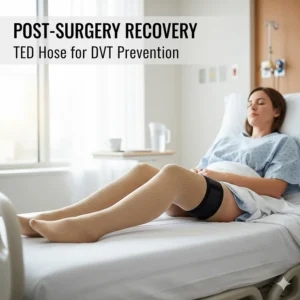
TED stands for Thrombo-Embolus Deterrent, and these specialized stockings serve a critical purpose for anyone facing extended bed rest or limited mobility. Unlike your regular compression socks for athletes or travelers, ted hose socks are specifically engineered to prevent deep vein thrombosis (DVT) and pulmonary embolism in non-ambulatory patients. Research published by the National Institutes of Health confirms that graduated compression stockings significantly reduce the risk of DVT in hospitalized patients who’ve undergone general and orthopedic surgery.
Whether you’re preparing for surgery, recovering at home, or caring for someone with limited mobility, choosing the right anti-embolism stockings can make the difference between comfortable recovery and serious complications. This guide breaks down everything you need to know about ted hose socks—from how they work to which products actually deliver on their promises.
Quick Comparison Table
| Product | Compression Level | Length | Price Range | Best For |
|---|---|---|---|---|
| Doc Miller TED Hose | 15-20 mmHg | Knee/Thigh High | $19.95-$24.95 | Post-surgery recovery |
| JOBST Anti-Em/GP | 18 mmHg | Knee/Thigh/Waist | $18.82-$43.49 | Hospital use |
| Sagry Anti-Embolism | 15-20 mmHg | Thigh High | $25-$35 | Budget-friendly |
| EVOPLECI Stockings | 15-20 mmHg | Knee/Thigh High | $20-$30 | Enhanced breathability |
| Mediven Thrombexin | 18 mmHg | Knee/Thigh High | $21.99-$39.95 | Premium quality |
| Generic 2-Pack TED | 15-20 mmHg | Knee/Thigh High | $15-$25 | Value packs |
| Skineez Hydrating | 18 mmHg | Knee High | $35-$45 | Skin hydration |
💬 Just one click – help others make better buying decisions too!😊
Top 7 TED Hose Socks: Expert Analysis
1. Doc Miller TED Hose Thigh High Anti-Embolism Stockings
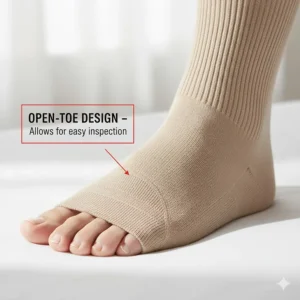
Let me tell you, the Doc Miller TED Hose series has earned its reputation as the gold standard for a reason. These hospital-style surgical stockings deliver medical-grade 15-20 mmHg graduated compression with that signature blue heel design (licensed from The Carolon Company). What sets them apart? The toeless construction with inspection hole allows healthcare providers to monitor circulation without removing the stockings—genius, right?
Key Specifications:
- Compression: 15-20 mmHg graduated
- Available in sizes M-5XL (plus sizes included)
- Open-toe design with inspection window
Price: $19.95-$24.95
The fabric blend ensures durability while maintaining breathability, and customers consistently praise the silicone dot band that actually stays put overnight. One reviewer recovering from hip replacement surgery mentioned wearing these for three weeks straight without any slipping issues.
✅ Pros:
- Excellent size range including plus sizes
- True-to-size fit with color-coded heel indicators
- Inspection hole for easy monitoring
❌ Cons:
- Slightly higher price point than generic brands
- Limited color options (white only)
Target User: Post-surgical patients, those recovering from orthopedic procedures, anyone requiring extended bed rest with reliable compression support.
2. JOBST Anti-Em/GP Seamless Anti-Embolism Stockings
The JOBST Anti-Em/GP line represents what happens when vascular specialists collaborate with engineers to create the perfect anti-embolism solution. These stockings apply clinically-proven graduated pressure patterns—18mmHg at the ankle, 14mmHg at the calf, with decreasing pressure moving up the leg. That’s precisely the pattern research shows prevents venous stasis most effectively.
Key Specifications:
- Compression: 18 mmHg graduated pattern
- Styles: Knee-high, thigh-high, and waist-high options
- Seamless construction for comfort
Price: $18.82-$43.49 (depending on length)
According to Cardinal Health, these stockings are clinically proven to reduce DVT risk and promote increased blood flow velocity in the legs. The inspection window on top of the foot allows easy visual checks without compromising skin integrity.
✅ Pros:
- Clinically validated compression patterns
- Multiple length options for different needs
- Recognized hospital standard
❌ Cons:
- Waist-high options can be challenging to don independently
- Premium pricing for medical-grade quality
Target User: Hospital patients, those at high risk for thromboembolism, individuals requiring professionally-validated compression therapy.
3. Sagry Anti-Embolism Thigh High Compression Stockings
Here’s where budget meets quality. The Sagry Anti-Embolism Stockings feature an upgraded nylon percentage (85% versus the typical 40%), delivering superior 360-degree stretch and durability. I’ve noticed these gaining traction among home care patients who need reliable compression without breaking the bank.
Key Specifications:
- Compression: 15-20 mmHg
- Material: 85% Nylon, 15% Spandex
- Reinforced heel design
Price: $25-$35
The reinforced heel particularly stands out—several users report these lasting significantly longer than cheaper alternatives. The inspection hole placement allows pulse and temperature checks, while the silicone grip band prevents midnight wardrobe malfunctions.
✅ Pros:
- Excellent value for money
- Enhanced durability from upgraded materials
- Effective compression for DVT prevention
❌ Cons:
- Less established brand recognition
- Sizing can run slightly small
Target User: Cost-conscious patients, extended home recovery, those needing replacement pairs for rotation.
4. EVOPLECI Anti-Embolism Compression Stockings
The EVOPLECI Stockings bring something different to the table—premium breathability. Crafted from 77% nylon and 23% spandex, these stockings prioritize all-day comfort without sacrificing therapeutic effectiveness. The unique open toe area enhances air circulation, addressing one of the most common complaints about compression wear.
Key Specifications:
- Compression: 15-20 mmHg moderate level
- Enhanced breathability features
- Available in beige and white
Price: $20-$30
Customer feedback highlights the progressive pressure support system that maintains proper circulation during long periods of immobility. Nurses, in particular, appreciate recommending these to patients sensitive to heat or prone to skin irritation.
✅ Pros:
- Superior breathability
- Comfortable for extended wear
- Good size selection
❌ Cons:
- Beige color may show stains more readily
- Slightly less compression than 18 mmHg options
Target User: Patients sensitive to heat, those recovering in warmer climates, individuals prone to skin sensitivities.
5. Mediven Thrombexin 18 mmHg Anti-Embolism Stockings
Premium doesn’t always mean better, but with Mediven Thrombexin, you’re genuinely getting what you pay for. These German-engineered stockings combine therapeutic consistent compression of 18mmHg with exceptional manufacturing quality. The silicone border on thigh-high versions provides secure positioning without creating uncomfortable bands.
Key Specifications:
- Compression: 18 mmHg consistent
- German engineering and quality
- Silicone border technology
Price: $21.99-$39.95
According to medical professionals, Mediven’s reputation in vascular care circles stems from their commitment to precise compression delivery. These stockings maintain their compression levels through repeated washing cycles better than most competitors.
✅ Pros:
- Consistent medical-grade compression
- Superior longevity
- Trusted in medical settings worldwide
❌ Cons:
- Higher cost than domestic brands
- May require special sizing assistance
Target User: Long-term use patients, those with complex medical needs, individuals prioritizing maximum quality.
6. Generic 2-Pack TED Hose Compression Stockings
Sometimes you just need functional compression without the premium price tag. These Generic 2-Pack TED Hose offerings provide 15-20 mmHg moderate compression at unbeatable value. Available in various color-coded sizes (the green stripe indicates large, for example), these work perfectly for rotation during recovery.
Key Specifications:
- Compression: 15-20 mmHg
- Sold in 2-pair packs
- Color-coded size indicators
Price: $15-$25
The nylon-spandex blend offers 360-degree flexibility with inspection holes for monitoring. While they may not last as long as premium brands, buying two pairs ensures you always have a clean set ready. Smart move for budget-conscious recoveries.
✅ Pros:
- Unbeatable price per pair
- Convenient 2-pack for rotation
- Adequate compression for standard needs
❌ Cons:
- Shorter lifespan than premium options
- Basic features only
Target User: Short-term recovery needs, budget-conscious patients, those needing multiple pairs for frequent washing.
7. Skineez Hydrating T.E.D Anti-Embolism Socks
Innovation meets recovery with Skineez Hydrating TED socks. These FDA-cleared stockings are the only anti-embolism option clinically proven to improve skin condition through micro-encapsulation technology. The patented hydrating fabric actively moisturizes your skin while preventing DVT—talk about multitasking!
Key Specifications:
- Compression: 18 mmHg
- Micro-encapsulation hydration technology
- FDA-cleared for medical use
Price: $35-$45
The ultra-soft fabric helps prevent skin tears, a common concern for elderly patients or those with fragile skin. Reviewers particularly appreciate how these stockings address both circulation and skin health simultaneously.
✅ Pros:
- Dual-purpose: compression plus skin hydration
- FDA-cleared and clinically proven
- Ideal for elderly or sensitive skin
❌ Cons:
- Highest price point in our roundup
- Requires garment replenishing spray for best results
Target User: Elderly patients, those with fragile or dry skin, individuals prioritizing skin health alongside compression therapy.
💡 Don’t Miss These Exclusive Deals!
🔍 Take your post-surgery recovery to the next level with these carefully selected products. Click on any highlighted item to check current pricing and availability. These medical-grade stockings will help you maintain healthy circulation and prevent complications during your recovery!
Understanding TED Hose Socks: What Makes Them Different
You know what confuses most people? The difference between regular compression socks and anti-embolism stockings. Let me clear that up once and for all.
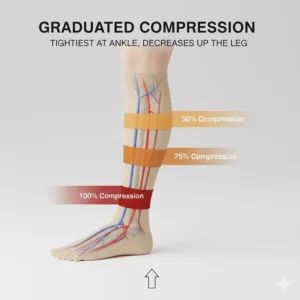
Regular compression stockings use graduated compression—tighter at the ankle, gradually loosening up the leg—designed for people who are mobile. Athletes wear them. Travelers wear them. Office workers who sit all day wear them. These work by leveraging muscle movement to push blood back toward the heart.
TED hose socks, however, are engineered differently. According to the NHS guidance, these specialized stockings provide either uniform compression (8-18 mmHg throughout) or graduated compression specifically calibrated for non-ambulatory patients. They’re designed to work even when you’re not moving, maintaining circulation when the calf muscle pump isn’t actively functioning.
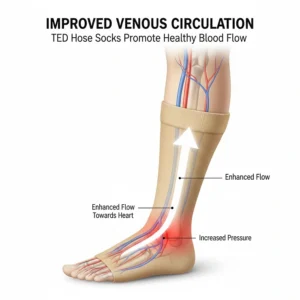
Here’s the critical distinction: TED hose socks are medical devices prescribed for temporary use during periods of immobility. They prevent thromboembolism—that’s blood clots forming in deep veins that could break loose and travel to your lungs. One study in the Cochrane Database showed that wearing these stockings resulted in a large reduction in symptomless DVT among patients, equivalent to reducing risk from a few tens per thousand to just two or three per thousand.
Think of it this way: compression socks are like a helpful assistant that works best when you’re active. TED hose socks are like an insurance policy that protects you even when you’re completely still. Both valuable, completely different purposes.
Benefits vs Traditional Alternatives Comparison
| Feature | TED Hose Socks | Regular Compression | No Compression |
|---|---|---|---|
| DVT Prevention | Excellent (clinically proven) | Moderate (requires mobility) | Poor |
| Cost per pair | $15-$45 | $10-$30 | N/A |
| Usage duration | 2-6 weeks typical | Long-term | N/A |
| Requires mobility | No | Yes | N/A |
| Medical grade | Yes | Varies | N/A |
| Insurance coverage | Often covered | Sometimes | N/A |
How to Choose the Right TED Hose Socks for Your Needs
Picking the perfect pair isn’t rocket science, but getting it wrong means dealing with uncomfortable, ineffective compression. Follow these steps:
1. Determine the Required Compression Level Most post-surgical patients need 15-20 mmHg. Higher-risk individuals might require 18 mmHg or above. Your healthcare provider should specify this—if they haven’t, ask. This isn’t something to guess about.
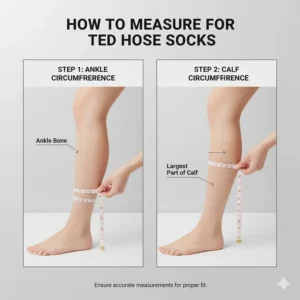
2. Measure Accurately for Proper Sizing Grab a flexible measuring tape. You’ll need ankle circumference, calf circumference, and length from heel to where the stocking should end. Measure in the morning before any swelling occurs. Color-coded sizing helps—many brands indicate size by heel color.
3. Select the Appropriate Length Knee-high works for lower leg procedures. Thigh-high provides coverage for hip or upper leg surgeries. Some patients need waist-high for maximum protection. Match the length to your specific medical situation.
4. Consider Material and Comfort Features Nylon-spandex blends dominate, but percentages matter. Higher nylon content (75-85%) typically means better durability. Look for reinforced heels, inspection windows, and silicone grip bands that actually work.
5. Check for Quality Indicators Medical-grade certification, seamless construction, graduated compression patterns—these aren’t just marketing fluff. They’re signs of stockings that’ll actually protect you. Cheap knock-offs might save $10 but cost you in comfort and effectiveness.
6. Verify Insurance Coverage Options Many insurance plans cover ted hose socks prescribed by physicians. Submit receipts with your prescription—you might get full or partial reimbursement. Medicare often covers them for post-hospitalization use.
7. Plan for Multiple Pairs You’ll need to wash these regularly, so having at least two pairs ensures you always have a clean set available. Rotation extends their lifespan too.
Who Needs TED Hose Socks?
Let’s get specific about who benefits most from anti-embolism compression:
Post-Surgical Patients: Anyone recovering from major surgery—especially orthopedic procedures like hip replacements, knee surgeries, or spinal operations. The combination of trauma, anesthesia, and immobility creates perfect conditions for blood clots.
Extended Bed Rest Individuals: Medical conditions requiring prolonged bed rest—heart attacks, severe infections, complicated pregnancies—all increase DVT risk dramatically. These patients need continuous compression protection.
Limited Mobility Seniors: Elderly individuals who’ve become bedridden or wheelchair-dependent face elevated thromboembolism danger. Their circulatory systems already work harder, and reduced movement compounds the problem.
High-Risk Medical Conditions: Cancer patients, those with blood clotting disorders, individuals with previous DVT history—these groups require preventive compression even during short hospital stays.
Postpartum Recovery: Some women experience complications requiring extended rest after childbirth. TED hose socks help prevent the DVT that affects approximately 1 in 1,000 pregnancies.
Research from the National Library of Medicine indicates that surgical patients face significantly elevated DVT risk, with compression stockings serving as a crucial preventive measure alongside pharmaceutical interventions.
Proper Wearing and Care Instructions
Getting the most from your ted hose socks means following proper protocols. Here’s the real-world guide:
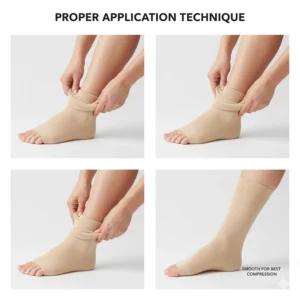
Putting Them On Correctly: Start with dry, clean skin—no lotions or oils. Turn the stocking inside out to the heel, then slip your foot in like you’re putting on a regular sock. Slowly roll the fabric up your leg, smoothing out wrinkles as you go. The inspection hole should sit under your toes or at the ball of your foot.
Pro tip from nurses: A small plastic bag over your foot can help the stocking slide on easier. Just remember to remove it afterward!
Daily Wearing Schedule: Wear them continuously during your immobility period, typically 24 hours a day. Remove them briefly for bathing and skin inspection. Your doctor might adjust this based on your specific situation.
Washing and Maintenance: Hand wash in lukewarm water with mild detergent every 2-3 days maximum. Frequent washing maintains elasticity and hygiene. Air dry flat—never use a dryer or iron. The heat destroys the compression properties you’re paying for.
Checking for Proper Fit: You should feel firm, comfortable pressure without pain or numbness. Toes should move freely. Watch for red marks that don’t fade within 15 minutes after removal—that signals too-tight fit. Conversely, if they’re slipping down constantly, you need a smaller size.
When to Replace: Most anti-embolism stockings maintain effectiveness for 2-4 weeks of continuous use. Loss of elasticity, visible fabric wear, or sizing changes warrant replacement. Don’t try squeezing extra weeks from worn-out compression—the protection diminishes significantly.
Common Misconceptions About Anti-Embolism Stockings
Let me bust some myths that circulate about ted hose socks:
Myth #1: “Tighter is always better” Actually, no. Excessive compression can restrict arterial blood flow and cause tissue damage. The prescribed compression level exists for a reason—stick to it.
Myth #2: “You can wear regular compression socks instead” Wrong approach. Regular compression socks lack the specific pressure patterns and medical-grade standards required for DVT prevention in non-mobile patients. They’re designed for completely different scenarios.
Myth #3: “Once you can walk, you don’t need them anymore” Your mobility timeline doesn’t necessarily match your clot risk timeline. Follow your doctor’s duration recommendation—premature discontinuation leaves you vulnerable.
Myth #4: “They’re too uncomfortable to wear properly” Properly fitted ted hose socks should feel firm but not painful. Discomfort usually indicates wrong sizing or application. Many people mistake the unfamiliar sensation of compression for discomfort.
Myth #5: “Generic brands work just as well as medical-grade options” While budget options serve a purpose, medical-grade stockings undergo rigorous testing for consistent compression delivery. That consistency matters when preventing life-threatening blood clots.
Price Range & Value Analysis
| Price Category | Typical Range | Expected Features | Best Use Case |
|---|---|---|---|
| Budget | $15-$25 | Basic compression, shorter lifespan | Short-term recovery |
| Mid-Range | $25-$35 | Good durability, reliable compression | Standard post-surgery |
| Premium | $35-$50 | Advanced features, longest wear | Extended use, special needs |
Understanding value means looking beyond the price tag. A $40 pair that lasts six weeks provides better value than three $15 pairs that fail after two weeks each. Factor in comfort, effectiveness, and durability when calculating true cost.
Medical Conditions Benefiting from TED Hose Socks
The applications extend beyond just surgery recovery:
Deep Vein Thrombosis Prevention: The primary purpose. Studies show up to 60% reduction in DVT occurrence among at-risk hospitalized patients wearing appropriate compression.
Post-Surgical Complications: Hip replacements, knee arthroplasties, abdominal surgeries—all carry elevated clot risk. TED hose socks form part of standard prophylaxis protocols.
Varicose Vein Management: While not the primary treatment, these stockings can alleviate symptoms during periods when movement is restricted.
Edema Control: Fluid retention from immobility responds well to compression therapy. The pressure encourages fluid reabsorption and prevents pooling.
Pregnancy-Related Issues: Bed-rest pregnancies or complicated deliveries sometimes necessitate anti-embolism protection.
Chronic Venous Insufficiency: During acute episodes requiring rest, these stockings maintain baseline venous function.
Advanced Features in Modern TED Hose Designs
Innovation hasn’t stood still in compression therapy:
Inspection Windows: Strategic openings allow healthcare providers to check circulation, skin color, and temperature without removing the stockings. This seemingly simple feature prevents unnecessary manipulation and contamination risk.
Silicone Grip Technology: Modern anti-slip bands use medical-grade silicone dots that grip skin gently but effectively. No more stockings bunching around your ankles at 3 AM.
Moisture-Wicking Fabrics: Newer materials pull perspiration away from skin, reducing maceration risk and improving comfort during extended wear.
Antimicrobial Treatments: Some premium options incorporate silver ions or other antimicrobial agents, helping prevent odor and bacterial growth during prolonged use.
Hydrating Formulations: Products like Skineez integrate moisturizing compounds directly into the fabric, addressing both compression and skin health simultaneously.
Color-Coded Sizing: Visual size indicators eliminate confusion and ensure proper fit—especially valuable in hospital settings where multiple patients need different sizes.
Safety Considerations and Contraindications
Not everyone should wear ted hose socks. These conditions require medical clearance or represent contraindications:
Peripheral Arterial Disease: Severe arterial insufficiency makes compression dangerous. Poor arterial flow combined with external pressure can cause tissue necrosis. Always get vascular assessment first.
Severe Peripheral Neuropathy: If you can’t feel your feet and legs properly, you won’t recognize compression problems developing. Diabetic neuropathy patients need special monitoring.
Dermatological Conditions: Active skin infections, open wounds, or severe dermatitis may worsen under compression. Treat skin issues before applying stockings.
Massive Leg Swelling: Extremely edematous legs require different compression approaches. Anti-embolism stockings won’t fit properly and could cause constriction bands.
Congestive Heart Failure: Severe CHF patients might develop pulmonary edema from the increased venous return compression causes. Medical supervision is essential.
Allergic Reactions: Some individuals react to latex, nylon, or other stocking components. Check materials if you have known sensitivities.
Inform your healthcare provider about all medical conditions before starting compression therapy. What works for one person might harm another.
Expert Tips for First-Time Users
Starting with anti-embolism stockings can feel overwhelming. Here’s what seasoned users wish they’d known from day one:
Start Before Surgery: If possible, practice putting them on before your procedure. Post-surgical pain and limited mobility make the learning curve much steeper.
Keep Skin Moisturized (But Not Right Before): Well-hydrated skin tolerates compression better, but apply lotions hours before donning stockings. Immediate application makes them slip or slide.
Use Application Devices if Needed: Donning aids help people with limited flexibility or strength. No shame in using tools—effective compression matters more than technique pride.
Document Your Schedule: Create a simple chart tracking when you wear them, when you remove them for skin checks, and when you wash them. Consistency prevents complications.
Watch for Warning Signs: Increased pain, numbness, tingling, color changes, or temperature differences warrant immediate medical attention. Don’t ignore these signals.
Communicate with Caregivers: If someone helps you with stockings, teach them proper application. Incorrectly applied compression does more harm than good.
Plan Wardrobe Accordingly: Loose pants or skirts over stockings prevent bunching and improve comfort. Tight clothing can create additional pressure points.
FAQ Section
❓ How long should I wear ted hose socks after surgery?
❓ Can I wear ted hose socks if I'm already on blood thinners?
❓ What's the difference between 15-20 mmHg and 18 mmHg compression?
❓ How do I know if my ted hose socks fit properly?
❓ Can I sleep in ted hose socks every night?
Conclusion: Making the Right Choice for Your Recovery
Navigating the world of ted hose socks doesn’t have to be complicated. Whether you’re facing upcoming surgery, recovering at home, or caring for someone with limited mobility, the right compression stockings make a measurable difference in preventing serious complications.
Remember, this isn’t about finding the absolute “best” product—it’s about identifying what works best for your specific situation. The Doc Miller line offers exceptional versatility and sizing options. JOBST brings medical-grade reliability trusted by hospitals worldwide. Budget-conscious patients find excellent value in the generic 2-pack options. And if skin health concerns you, Skineez provides unique dual-purpose benefits.
Start by consulting your healthcare provider about compression levels and duration. Get measured properly—correct sizing is non-negotiable for both safety and effectiveness. Invest in at least two pairs for rotation. Follow care instructions religiously to maintain compression integrity.
The research is clear: properly used anti-embolism stockings dramatically reduce DVT risk. They’re not glamorous. They’re not exciting. But they might just save your life or prevent months of painful complications. That’s worth the temporary inconvenience of wearing them.
Your recovery journey matters. Choose wisely, wear consistently, and don’t hesitate to speak up if problems arise. The right ted hose socks, properly used, transform from uncomfortable necessity into valuable recovery partner.
Recommended for You
- 7 Best Sock Aid for Compression Stockings That Actually Work in 2025
- Best Socks for Wide Feet 2025: 7 Comfortable Options Reviewed
- 7 Best Cotton Compression Socks 2025 | Natural & Breathable
Disclaimer: This article contains affiliate links. If you purchase products through these links, we may earn a small commission at no additional cost to you.
✨ Found this helpful? Share it with your friends! 💬🤗
