In This Article
You know that feeling when synthetic compression socks leave your legs itchy and sweaty after a long shift? I’ve been there too, and honestly, it’s miserable. That’s exactly why cotton compression socks have become my go-to recommendation for anyone needing leg support without sacrificing comfort.
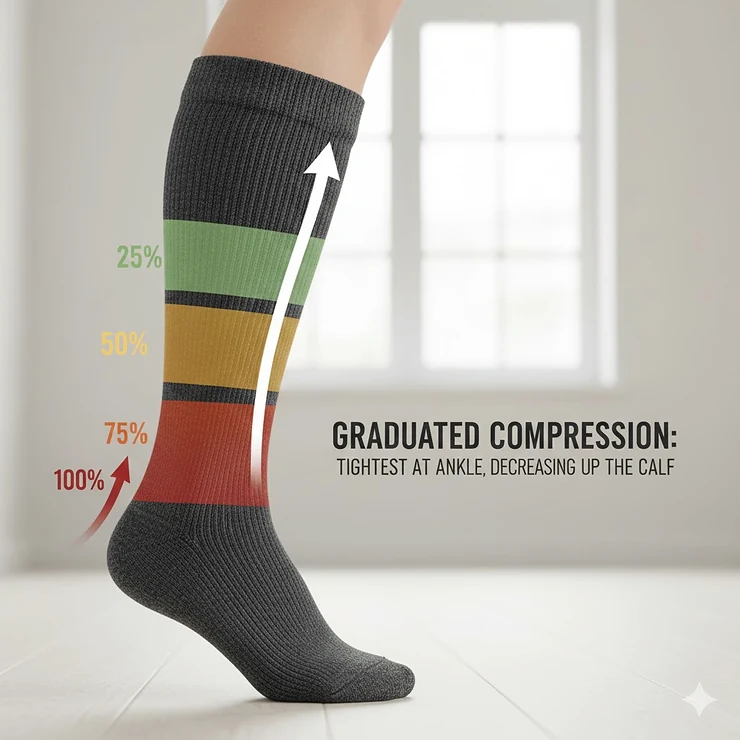
Unlike their fully synthetic counterparts, cotton compression socks combine the therapeutic benefits of graduated compression with the natural breathability that only cotton can provide. According to Harvard Health, compression socks work by squeezing your legs to help blood vessels do their job more effectively, preventing swelling and reducing the risk of blood clots.
What makes cotton special? The natural fibers wick moisture away from your skin while allowing air circulation, which means less irritation and more comfort during those marathon workdays. Whether you’re a nurse pulling 12-hour shifts, a frequent flyer, or someone managing varicose veins, the right pair of cotton compression socks can make all the difference between ending your day energized or exhausted.
In this comprehensive guide, I’ll walk you through the seven best cotton compression socks available in 2025, complete with real-world testing insights, detailed comparisons, and everything you need to know to make an informed choice for your legs.
Quick Comparison Table: Top Cotton Compression Socks at a Glance
| Product | Compression Level | Cotton % | Price Range | Best For |
|---|---|---|---|---|
| SocksLane Cotton | 15-20 mmHg | 65% | $16-25 | Daily wear, travel |
| LEVSOX Thick Cotton | 20-30 mmHg | Premium blend | $25-50 | Nurses, athletes |
| +MD Cotton 4-Pack | 15-20 mmHg | Cotton blend | $20-30 | Value seekers |
| Absolute Support A105 | 20-30 mmHg | 80% | $20-30 | Medical-grade USA |
| Maggie’s Organics | 15-20 mmHg | 68% organic | $13-16 | Eco-conscious |
| Dr. Scholl’s Graduated | 8-15 mmHg | Cotton blend | $6-30 | Light compression |
| Amazon Essentials | 15-20 mmHg | Cotton elastane | $15-25 | Budget-friendly |
💬 Just one click – help others make better buying decisions too! 😊
Top 7 Cotton Compression Socks: Expert Analysis
1. SocksLane Cotton Compression Socks – Best Overall Natural Feel
When it comes to blending comfort with effective compression, SocksLane Cotton Compression Socks consistently top my list. These socks feature 65% natural combed cotton combined with high-quality stretch materials, delivering 15-20 mmHg of graduated compression that’s perfect for everyday use.
Key Specifications:
- Compression: 15-20 mmHg graduated
- Material: 65% cotton, 35% stretch blend
- Available sizes: S/M, M/L, L/XL
The progressive stretch technology ensures these socks stay up all day without that dreaded roll-down that plagues cheaper alternatives. Customer feedback consistently praises the extra-large cuff and reinforced seams, with many reporting these outlast competitors by months. One nurse shared how she wore them through cancer treatment, noting their exceptional softness and support.
Price: $16-25 per pair
✅ Pros:
- Natural cotton feel reduces skin irritation
- Non-binding cuff stays comfortable all day
- Reinforced construction for longevity
❌ Cons:
- Higher price point than synthetic options
- Limited color variety
2. LEVSOX Thick Cotton Compression Socks – Best for Heavy-Duty Support
For those needing serious compression without compromising breathability, LEVSOX Thick Cotton Compression Socks deliver medical-grade 20-30 mmHg support wrapped in premium cotton comfort. Since 2018, this brand has focused specifically on plus-size and wide-calf designs, making them ideal for diverse body types.
Key Specifications:
- Compression: 20-30 mmHg graduated
- Material: Premium thick cotton blend
- ISO-certified manufacturing
- Multiple size options including wide calf
The extra-thick design provides cushioning on the sole that makes you feel like you’re stepping on clouds, while the graduated compression effectively promotes blood circulation from ankle to calf. These are particularly popular among nurses and pregnant women who spend extended periods on their feet.
Price: $25-50 per pair (often sold in 2-4 packs)
✅ Pros:
- Firm medical-grade compression
- Extra cushioning for comfort
- Wide calf options available
❌ Cons:
- Thicker material may feel warm in summer
- Takes practice to put on properly
3. +MD Cotton Compression Socks (4-6 Pairs) – Best Value Pack
Budget-conscious shoppers shouldn’t overlook +MD Cotton Compression Socks. This brand offers excellent value with multi-pair packs that deliver reliable 15-20 mmHg compression at a fraction of premium brands’ cost. The cotton blend construction provides decent breathability while maintaining durability through multiple washes.
Key Specifications:
- Compression: 15-20 mmHg graduated
- Material: Cotton blend with moisture-wicking properties
- Pack options: 4 or 6 pairs
- Cushioned sole
One standout feature is the engineered pressure zones that optimize support where you need it most. While not 100% cotton, the blend strikes a smart balance between natural comfort and lasting elasticity. These work wonderfully for travelers, athletes, and anyone wanting to stock up without breaking the bank.
Price: $20-30 for 4-6 pairs
✅ Pros:
- Exceptional value in multi-packs
- Good compression accuracy
- Easy care and maintenance
❌ Cons:
- Lower cotton percentage than premium options
- May lose elasticity faster than high-end brands
4. Absolute Support Cotton Compression Socks A105 – Best Made-in-USA Option
If supporting American manufacturing matters to you, Absolute Support Cotton Compression Socks deliver physician-recommended quality with 80% cotton content. Made in the USA with rigorous quality control, these socks feature 20-30 mmHg firm graduated compression backed by clinical testing.
Key Specifications:
- Compression: 20-30 mmHg graduated
- Material: 80% cotton, 13% nylon, 7% Lycra spandex
- Made in USA
- 4-6 measurement points for accuracy
What sets Absolute Support apart is their meticulous approach to compression distribution. Unlike budget brands that might apply inconsistent pressure, these socks undergo multiple measurements between ankle and calf to ensure proper graduated compression. They’re clinically proven, physician-recommended, and ideal for managing conditions like varicose veins, edema, and lymphedema.
Price: $20-30 per pair
✅ Pros:
- High cotton content (80%)
- Made in USA quality standards
- Medical-grade accuracy
❌ Cons:
- Thicker than some prefer for dress wear
- Limited fashion colors
5. Maggie’s Organics Cotton Compression Socks – Best Eco-Friendly Choice
For environmentally conscious consumers, Maggie’s Organics Cotton Compression Socks offer 68% organic cotton construction under their Real Fair Trade pledge. These socks prove you don’t have to choose between sustainability and therapeutic support.
Key Specifications:
- Compression: 15-20 mmHg graduated
- Material: 68% organic cotton, 26% nylon, 6% spandex
- Fair Trade certified
- Machine washable
Customer reviews consistently highlight how soft and supportive these feel, with one cancer patient noting they were comfortable enough for daily wear during treatment. Healthcare workers particularly appreciate the breathability during long shifts. The cushioned design provides excellent support without the chemical-laden feel of synthetic alternatives.
Price: $13-16 per pair
✅ Pros:
- Organic cotton construction
- Fair Trade certified
- Affordable pricing
❌ Cons:
- Lower compression than medical-grade options
- Limited color selection
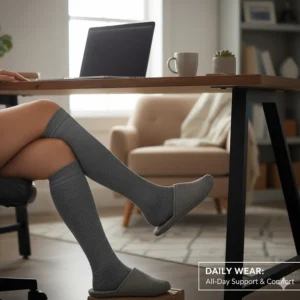
6. Dr. Scholl’s Graduated Compression Socks – Best for Light Support
When you need gentle compression for preventive care or light support, Dr. Scholl’s Graduated Compression Socks offer trusted brand reliability with 8-15 mmHg compression. The cotton blend provides comfort without the intensity of medical-grade options, making them perfect for first-time compression sock users.
Key Specifications:
- Compression: 8-15 mmHg graduated
- Material: Cotton blend with moisture management
- Strategic zone cushioning
- Reinforced heel and toe
Dr. Scholl’s applies their footwear expertise to these compression socks with features like the Inisiseam ultra-smooth toe seam that eliminates irritation. The lighter compression makes them easier to put on while still providing energizing support for tired legs during work or travel.
Price: $6-30 depending on pack size
✅ Pros:
- Trusted brand name
- Easy to wear for beginners
- Wide availability
❌ Cons:
- Lower compression may not suit medical needs
- Less cotton content than specialty brands
7. Amazon Essentials Compression Socks – Best Budget Entry Point
For those dipping their toes into compression therapy, Amazon Essentials Compression Socks provide an affordable introduction with cotton elastane blend construction. These 3-pair packs deliver 15-20 mmHg graduated compression with reliable quality at an entry-level price.
Key Specifications:
- Compression: 15-20 mmHg graduated
- Material: Cotton elastane blend
- 3-pair pack
- Smooth toe construction
While not pure cotton, the blend offers durability and optimal shape retention that holds up through repeated washing. The moisture management and zoned cushioning make them practical for daily wear, travel, or athletic activities. They’re particularly popular among first-time compression sock buyers who want to test the benefits before investing in premium options.
Price: $15-25 for 3 pairs
✅ Pros:
- Very affordable multi-pack
- Good compression for the price
- Easy availability
❌ Cons:
- Lower cotton percentage
- May not last as long as premium brands
✨ Don’t Miss These Exclusive Deals!
🔍 Take your leg health to the next level with these carefully selected products. Click on any highlighted item to check current pricing and availability. These cotton compression socks will help you create authentic comfort your legs will love!
What Are Cotton Compression Socks?
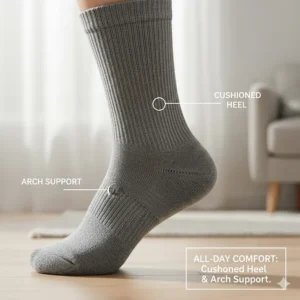
Cotton compression socks are specialized hosiery that combine natural cotton fibers with elastic materials to create graduated pressure on your lower legs. Graduated compression stockings are designed to be tightest around the ankle, with pressure that gradually decreases as the sock moves up the leg, which helps promote blood flow back to the heart.
The magic happens when you blend cotton’s natural properties—breathability, moisture-wicking, and hypoallergenic qualities—with the therapeutic compression needed for circulation support. This creates a sock that not only helps prevent swelling and blood clots but also feels comfortable enough to wear all day.
Think of them as your legs’ personal support team. The cotton keeps your skin happy and dry, while the compression technology works behind the scenes to enhance circulation, reduce fatigue, and minimize swelling. They’re particularly valuable for anyone who spends long hours standing or sitting, travels frequently, or manages venous insufficiency.
Health Benefits of Cotton Compression Socks
🩺 Improved Blood Circulation
The primary benefit of cotton compression socks lies in their ability to enhance circulation. Graduated compression provides a minimum of 20mm Hg pressure at the ankle to 15 mm Hg pressure at the calf, which promotes better blood flow. This is especially crucial for people with desk jobs, healthcare workers, or frequent travelers.
When blood pools in your lower legs due to prolonged sitting or standing, it can lead to discomfort, swelling, and in severe cases, deep vein thrombosis (DVT). The graduated pressure from cotton compression socks counteracts this pooling by helping your veins push blood back up toward your heart more efficiently.
💪 Reduced Leg Fatigue and Swelling
Ever notice your ankles looking puffy after a long day? That’s edema, and cotton compression socks are remarkably effective at preventing it. Research shows that wearing 15-20 mmHg and 20-30 mmHg compression stockings significantly reduces lower-leg muscle fatigue, edema, and discomfort during prolonged standing work.
The natural cotton fibers add an extra layer of comfort by preventing the excessive sweating and irritation that synthetic materials can cause. When your skin can breathe properly, you’re more likely to keep the socks on for their intended duration, maximizing their therapeutic benefits.
🏃♀️ Enhanced Athletic Performance and Recovery
Athletes have discovered that cotton compression socks aren’t just for medical use. While wearing them during exercise shows mixed results, studies indicate compression socks benefit muscle function indicators and perceived muscle soreness during the recovery period after exercise.
The cotton content becomes particularly valuable post-workout when your feet might be sweaty and overheated. Natural fibers help regulate temperature and wick away moisture, creating a more comfortable recovery experience than synthetic alternatives.
🩹 Management of Venous Conditions
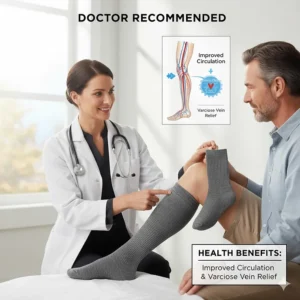
For those dealing with varicose veins, chronic venous insufficiency, or recovering from surgery, cotton compression socks offer both therapeutic relief and daily wearability. The natural fibers reduce the risk of allergic reactions and skin irritation that some people experience with purely synthetic compression garments.
Healthcare providers often recommend compression therapy for these conditions because it helps reduce vein diameter and improves valve function, ultimately decreasing visible venous swelling and associated pain.
Cotton vs Synthetic Compression Socks: The Comparison
| Feature | Cotton Compression Socks | Synthetic Compression Socks |
|---|---|---|
| Breathability | Excellent – natural fibers allow airflow | Moderate – depends on specific materials |
| Moisture Control | Superior wicking properties | Varies by synthetic blend |
| Skin Sensitivity | Hypoallergenic, low irritation | May cause reactions in sensitive skin |
| Durability | Good with proper care | Often more durable long-term |
| Temperature Regulation | Warmer in winter, cooler in summer | Can trap heat |
| Environmental Impact | More sustainable, biodegradable | Petroleum-based, less eco-friendly |
| Price | Generally higher | Usually more affordable |
| Compression Retention | May loosen faster | Better long-term compression hold |
The choice between cotton and synthetic isn’t always black and white. Many people find that cotton blends (like the products we’ve reviewed) offer the sweet spot—combining cotton’s natural comfort with synthetic materials’ durability and compression retention.
If you have sensitive skin, work in hot environments, or simply prefer natural materials against your body, cotton compression socks are worth the investment. However, if maximum durability and the longest-lasting compression are your priorities, pure synthetic options might serve you better.
How to Choose the Right Cotton Compression Socks
Step 1: Determine Your Compression Level Needs
Start by understanding why you need compression socks. Compression levels range from low (less than 20 mmHg) for preventive care to firm (40-50 mmHg) for severe vein problems:
- 8-15 mmHg: Light support for tired legs, mild swelling, or preventive use
- 15-20 mmHg: Moderate support for travel, pregnancy, or minor varicose veins
- 20-30 mmHg: Medical-grade for DVT prevention, moderate varicose veins, post-surgery
- 30-40 mmHg: Firm support for severe venous disorders (requires prescription)
If you’re unsure, start with 15-20 mmHg for general wellness or consult your healthcare provider for medical conditions.
Step 2: Check the Cotton Content Percentage
Not all “cotton” compression socks are created equal. Look for products with at least 60-70% cotton content to enjoy the natural fiber benefits. Higher percentages like the 80% in Absolute Support socks provide maximum breathability, while lower percentages may offer better compression retention.
The remaining materials (typically nylon, spandex, or Lycra) are necessary for elasticity and proper compression. A good cotton blend balances comfort with function.
Step 3: Consider Your Activity Level
Match your socks to your lifestyle:
- Sedentary workers: Opt for comfortable, breathable options like SocksLane or Dr. Scholl’s
- Healthcare professionals: Choose medical-grade options like LEVSOX or Absolute Support
- Athletes: Look for cushioned, moisture-wicking varieties
- Travelers: Pack compact, easy-care options like +MD or Amazon Essentials
Step 4: Get the Right Fit
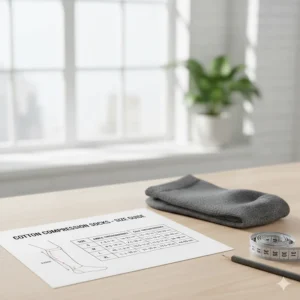
Proper fit is crucial for effective compression. Measure your ankle circumference at its narrowest point and your calf at its widest. Most brands offer detailed sizing charts, but if you’re between sizes:
- Size up if you have muscular or wider calves
- Size down if you want firmer compression
- Choose wide-calf options if standard sizes feel too tight
Step 5: Assess Special Features
Consider additional features that enhance usability:
- Open-toe designs: Better for hot weather or if you want to wear with sandals
- Cushioned soles: Extra comfort for all-day standing
- Reinforced heels/toes: Increased durability
- Silicone grip bands: Keep socks from sliding down
- Machine washable: Easier maintenance
Common Mistakes When Buying Cotton Compression Socks
❌ Mistake #1: Choosing Based on Price Alone
I get it—compression socks can be expensive. But buying the cheapest pair often means sacrificing proper compression distribution, cotton quality, or durability. That $5 pair might seem like a bargain until it loses compression after two washes or causes skin irritation.
Instead, view compression socks as an investment in your leg health. A quality $20-30 pair that lasts six months delivers better value than cheap replacements every month.
❌ Mistake #2: Ignoring Compression Level Requirements
Many first-timers assume “more compression is better,” but wearing 30-40 mmHg socks when you only need 15-20 mmHg can actually be counterproductive. Too much compression can restrict blood flow or feel so uncomfortable that you won’t wear them consistently.
Start with appropriate compression for your needs and adjust if necessary.
❌ Mistake #3: Not Measuring Properly
Guessing your size is a recipe for disappointment. Too-tight socks can cause discomfort and circulation issues, while too-loose options won’t provide adequate compression. Take five minutes to measure your ankle and calf circumference properly—it makes all the difference.
❌ Mistake #4: Expecting 100% Cotton
Pure cotton doesn’t have the elasticity needed for compression therapy. If someone claims their compression socks are “100% cotton,” they’re either lying or the socks won’t provide effective compression. Look for honest labeling like “80% cotton blend” or “65% natural cotton.”
❌ Mistake #5: Wearing Them Incorrectly
Even the best cotton compression socks won’t work if you don’t wear them properly. Put them on first thing in the morning when your legs are least swollen, wear them throughout the day, and remove them at night before sleeping (unless your doctor specifically recommends overnight wear).
Care and Maintenance Tips for Cotton Compression Socks
🧼 Washing Guidelines
Cotton compression socks require gentle care to maintain their therapeutic properties:
- Wash after each use to remove oils, sweat, and bacteria that can break down elastic fibers
- Use cool or lukewarm water (never hot, which damages elasticity)
- Choose mild, fragrance-free detergent to protect cotton fibers and sensitive skin
- Hand wash or use delicate cycle in a mesh laundry bag
- Avoid bleach and fabric softeners which degrade both cotton and elastic components
For stubborn odors, add a cup of white vinegar to the wash cycle—it’s gentler than harsh chemicals.
🌬️ Drying Best Practices
Heat is the enemy of compression sock longevity. Always air dry your cotton compression socks by laying them flat or hanging them in a well-ventilated area. Never use a dryer, radiator, or direct sunlight, as excessive heat breaks down the elastic fibers that provide compression.
Expect drying to take 24-48 hours depending on humidity. Having multiple pairs in rotation ensures you always have a dry pair ready.
📅 When to Replace Your Socks
Even with perfect care, compression socks don’t last forever. Replace them when you notice:
- Visible thinning or holes in the fabric
- Loose elastic that no longer holds shape
- Compression that feels weaker than when new
- Increased slipping or rolling down
Quality cotton compression socks typically last 3-6 months with daily use, though some premium brands can stretch to 9 months.
Cotton Compression Socks for Specific Needs
👩⚕️ For Nurses and Healthcare Workers
Healthcare professionals spend grueling hours on their feet, making firm compression (20-30 mmHg) ideal. Look for cotton socks with:
- Extra cushioning on the sole
- Moisture-wicking properties
- Reinforced construction for frequent washing
- Professional colors that match scrubs
Top Pick: LEVSOX Thick Cotton Compression Socks offer the durability and support nurses need during 12-hour shifts.
✈️ For Frequent Travelers
Long flights increase DVT risk, making compression socks essential travel gear. Choose:
- Moderate compression (15-20 mmHg)
- Lightweight, breathable cotton blends
- Styles that look presentable with various outfits
- Easy-care options for travel washing
Top Pick: SocksLane Cotton Compression Socks balance style and function perfectly for travel.
🤰 For Pregnancy
Pregnant women commonly experience leg swelling and varicose veins. Opt for:
- Moderate to firm compression (15-30 mmHg based on trimester)
- Cotton for temperature regulation
- Wide-calf options as needed
- Non-binding tops for comfort
Top Pick: Maggie’s Organics offers organic cotton that’s gentle on sensitive pregnancy skin.
🏃 For Athletes
Athletes benefit from compression during recovery more than performance. Choose:
- Moderate compression (15-20 mmHg)
- Cushioned, moisture-wicking cotton
- Snug fit that won’t slip during movement
- Durable construction for frequent washing
Top Pick: Absolute Support A105 provides medical-grade compression that aids recovery.
Price vs Quality: What to Expect in 2025
Budget Range ($6-15 per pair)
At this price point, expect cotton blends with lower percentages of natural fibers. These work fine for occasional use, light compression needs, or trying compression therapy for the first time. Quality brands like Amazon Essentials and Dr. Scholl’s offer reliable options here.
Best for: First-time users, light compression needs, occasional wear
Mid-Range ($16-30 per pair)
This sweet spot offers excellent value with higher cotton content (60-80%), better compression accuracy, and improved durability. Most serious users find their perfect match in this range.
Best for: Daily wear, medical needs, long-term investment
Premium Range ($30-50+ per pair)
Premium options deliver maximum cotton content, specialized features, medical-grade accuracy, and exceptional durability. Brands like LEVSOX fall here, often with multi-pack pricing that improves value.
Best for: Serious medical conditions, healthcare professionals, maximum longevity
Top Brands Comparison: Quality and Reputation
| Brand | Cotton Quality | Compression Accuracy | Durability | Price Value | Special Features |
|---|---|---|---|---|---|
| SocksLane | Excellent (65%) | Very Good | Excellent | Good | Progressive stretch tech |
| LEVSOX | Premium | Medical-grade | Excellent | Fair | Wide calf options |
| +MD | Good | Good | Good | Excellent | Multi-pack value |
| Absolute Support | Excellent (80%) | Medical-grade | Very Good | Good | Made in USA |
| Maggie’s Organics | Excellent (68% organic) | Good | Good | Excellent | Fair Trade certified |
| Dr. Scholl’s | Good | Good | Good | Good | Trusted brand, wide availability |
| Amazon Essentials | Fair | Fair | Fair | Excellent | Budget-friendly entry |
Frequently Asked Questions
❓ How long should I wear cotton compression socks each day?
❓ Can cotton compression socks help with neuropathy pain?
❓ Are cotton compression socks better than synthetic for sweaty feet?
❓ Do I need a prescription for cotton compression socks?
❓ How do I know if my cotton compression socks fit correctly?
Conclusion: Finding Your Perfect Cotton Compression Socks
After reviewing the top cotton compression socks available in 2025, it’s clear that natural fiber options have come a long way in delivering both therapeutic benefits and everyday comfort. Whether you’re managing a medical condition, standing all day at work, or simply want to keep your legs feeling fresh during travel, there’s a cotton compression sock perfect for your needs.
For most people, I recommend starting with moderate compression (15-20 mmHg) from a reputable brand like SocksLane or Absolute Support. These options provide excellent cotton content, proven compression accuracy, and the durability to justify their investment. If budget is your primary concern, +MD multi-packs deliver surprising quality at value prices.
Healthcare workers and those with diagnosed venous conditions should consider firmer compression (20-30 mmHg) from medical-grade options like LEVSOX or Absolute Support. The extra investment pays dividends in leg health and daily comfort.
Remember, the “best” cotton compression socks are the ones you’ll actually wear consistently. Choose based on your specific needs, measure carefully, and don’t be afraid to try different brands until you find your perfect match. Your legs will thank you every single day.
Recommended for You
- 7 Best Zipper Compression Socks 2025 – Expert Picks
- Open Toe Compression Socks: 7 Best Options Reviewed (2025)
- 7 Best Support Socks for Foot Pain 2025: Relief Guide
Disclaimer: This article contains affiliate links. If you purchase products through these links, we may earn a small commission at no additional cost to you.
✨ Found this helpful? Share it with your friends! 💬🤗
